

Grilling methods with different grill types – Which grill for which meat?
Who hasn't experienced it: the steak looks perfect on the outside, but is still raw on the inside. Or the spareribs are still tough after hours. Often, the problem isn't with the meat itself, but with the wrong combination of grill type and cooking method. Because not every grill is equally suitable for every cut of meat. While a juicy ribeye unfolds its full aroma on a charcoal grill, a brisket needs the gentle heat of a smoker.
In this guide, you'll learn everything about the different grill types, their strengths and weaknesses, and the appropriate grilling methods. We'll also show you which meat works best on which grill. This way, you'll get the most out of every BBQ evening.
The different grill types and their characteristics
Before we delve into the individual types of meat, let's first look at the most common grill types. Each has its own advantages and is particularly suitable for certain cooking methods.
The charcoal grill
The charcoal grill is the classic among grills and remains the first choice for many grill masters. Its biggest advantage lies in the unmistakable smoky aroma it imparts to the food. The glowing coals create temperatures of over 300 °C, making it ideal for searing steaks. However, it requires some practice in temperature control. You should always set up a direct and an indirect zone by distributing the coals only on one side of the grill.
The gas grill
The gas grill scores with its quick readiness for use and precise temperature control. It reaches operating temperature within a few minutes, and you can regulate the heat continuously. This makes it particularly versatile and beginner-friendly. What it lacks is the typical smoky aroma of the charcoal grill. However, it is excellent for spontaneous BBQ evenings and delicate meats such as poultry.
The Kamado and ceramic grill
The Kamado is a true all-rounder. Its thick-walled ceramic construction stores heat optimally and ensures even heat distribution. This makes it suitable for both high-temperature grilling at over 350 °C and low & slow cooking at 100 to 120 °C. The ceramic walls retain moisture in the cooking chamber, which leads to juicy meat, especially with longer cooking times. A Kamado is an investment that is definitely worthwhile for ambitious grillers.
The pellet grill
The pellet grill combines the advantages of a smoker with the convenience of a gas grill. It is powered by wood pellets, which are automatically fed. The temperature can be set digitally and is kept constant. The subtle smoky aroma of the pellets gives the meat a delicate note without being too dominant. Perfect for those who like to grill low & slow but don't want to monitor the temperature for hours.
The smoker
The smoker is the king of slow cooking. The fire is lit in its separate firebox, while the smoke and heat pass through the cooking chamber. This creates an intense smoky aroma that penetrates deep into the meat. Temperatures between 100 and 130 °C are typical. The smoker requires patience and some experience, but rewards you with incomparable results for brisket, pulled pork, and spareribs.
The electric grill
The electric grill is the practical solution for balconies and terraces where open fires are often not allowed. It heats up quickly and provides even heat. While the typical grilling aroma is largely absent, it is uncomplicated to use and easy to clean. For sausages, burgers, and thin steaks, it is a solid choice.
The most important grilling methods in detail
In addition to the right type of grill, the cooking method determines the result. Here are the most important techniques you should know.
Direct grilling
In direct grilling, the meat lies directly over the heat source. This method is suitable for thin cuts of meat that need to cook quickly. Steaks, chops, sausages, and burgers are classic candidates. The high heat of 200 to 300 °C creates a nice crust and roasted aromas. It is important not to turn the meat too often so that the crust can form properly.
Indirect grilling
In indirect grilling, the heat source is next to the meat, not directly underneath it. The food cooks by circulating hot air, similar to a convection oven. This method is ideal for thicker cuts of meat, whole chickens, or roasts that need to cook evenly without burning on the outside. Temperatures typically range between 160 and 200 °C.
Low & Slow
Low & Slow means: low temperatures over a long period. At 100 to 130 °C, the meat cooks for several hours, sometimes even overnight. The connective tissue in the meat is slowly broken down and converted into gelatin. The result is butter-tender meat that literally falls apart. This method is perfect for marbled cuts such as pork shoulder, beef brisket, or spareribs.
Smoking and curing
Smoking involves cooking and flavoring meat with smoke. The smoke is produced by burning wood chips or logs. The aroma varies depending on the type of wood: hickory is strong and bacony, applewood is mild and fruity, mesquite is intense and earthy. Smoking is a subcategory of Low & Slow and gives the meat its characteristic smoke ring.
Reverse Sear
Reverse sear is a technique that reverses the classic approach. Instead of searing the steak first, it is first brought to the desired core temperature indirectly at a low temperature. Only then is it seared for the crust. This method is particularly suitable for thick steaks from 3 cm and delivers an evenly pink interior with a perfect crust.
Which grill for which meat?
Now it's getting specific: Which grill is best for which type of meat? Here you will find the most important recommendations for various types of meat and cuts.
Beef
Beef is a classic on the grill and offers an enormous variety of preparation options.
Steaks (Ribeye, T-Bone, Filet, Entrecôte): For a perfect steak, you need high heat. The charcoal grill provides the best smoky aroma here, but gas grills and Kamados are also excellent. Use the direct zone for searing and then move the steak to the indirect zone to reach the desired core temperature. The reverse-sear method works particularly well for thick cuts.
Brisket and Tafelspitz: These cuts take time. The smoker is the first choice here, but Kamados and pellet grills also deliver excellent results. At 110 to 130 °C, a brisket cooks for 10 to 14 hours until it reaches a core temperature of 93 to 96 °C and the connective tissue is completely broken down.
Pork
Pork is a forgiving grilled food and is more tolerant of small mistakes than beef.
Chops and neck steaks: These classics succeed on practically any grill. Charcoal and gas are the fastest options. Grill the chops over direct heat and aim for a core temperature of 62 to 65 °C for juicy meat.
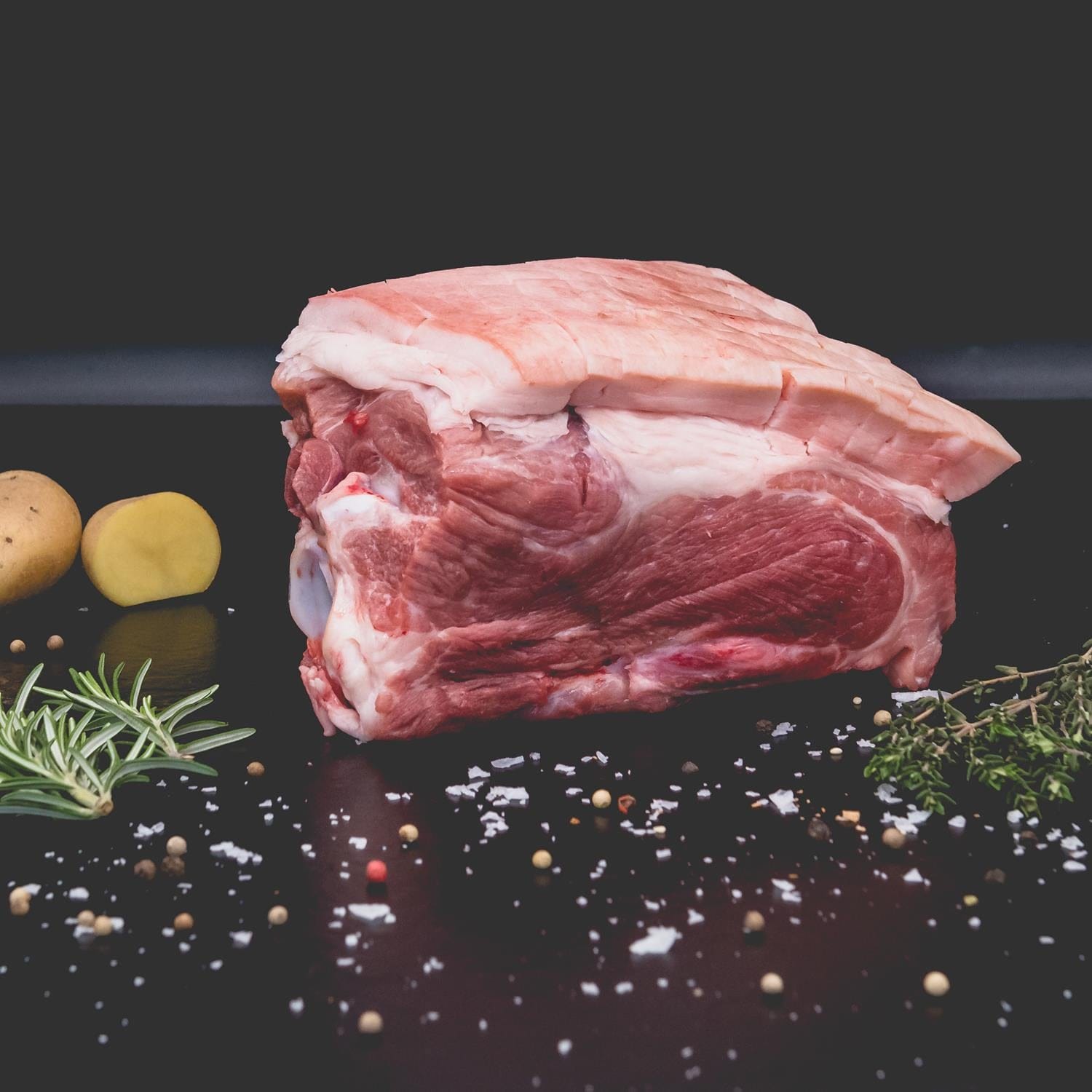
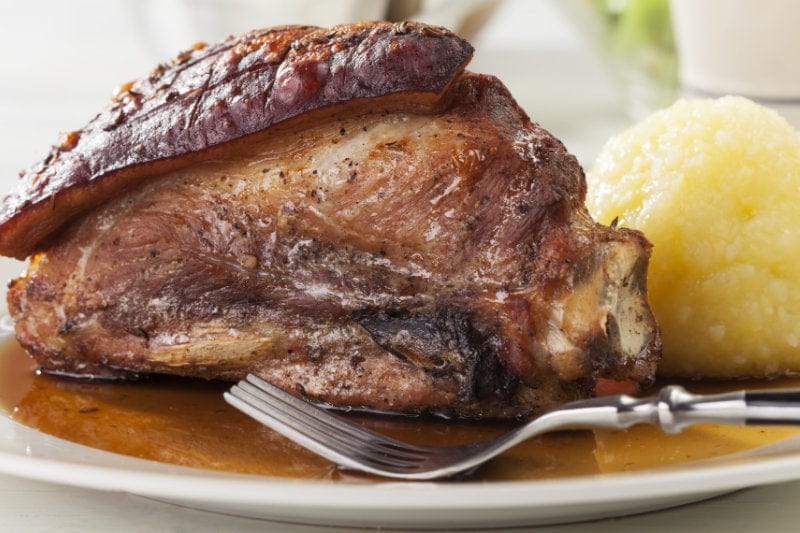
Pulled Pork: Pork shoulder is predestined for Low & Slow. In a smoker, Kamado, or pellet grill, it cooks at 110 to 120 °C for about 12 to 16 hours. The core temperature should reach 93 to 96 °C so that the meat can be easily pulled apart.
Spareribs: Ribs also need time. The famous 3-2-1 method (3 hours smoke, 2 hours in foil, 1 hour glazing) works equally well on smokers, Kamados, and pellet grills.
Poultry
Poultry requires a little more attention, as it must be cooked through but not dried out.
Chicken breast: The breast is lean and dries out quickly. The gas grill with its precise temperature control is ideal here. Grill the breast over medium heat (180 °C) and aim for a core temperature of 74 °C.
Whole chicken: A whole chicken is best cooked indirectly. The Kamado or kettle grill with a rotisserie or poultry holder are perfect. At 180 to 200 °C, a chicken takes about 60 to 90 minutes.
Lamb
Lamb has a characteristic flavor that is wonderfully complemented by roasted aromas.
Lamb chops: The tender chops need high heat for a nice crust. The charcoal grill is ideal here, as the smoky aroma pairs perfectly with lamb. Grill them over direct heat to a core temperature of 54 to 58 °C for medium.
Leg of lamb: A whole leg is suitable for indirect grilling or Low & Slow. In a Kamado or smoker at 130 to 150 °C, it becomes butter-tender.
Game
Game meat is lean and requires gentle preparation.
Venison fillet and saddle of venison: These noble quick-fry cuts need high heat but short cooking times. Charcoal and Kamado are ideal. Grill them briefly over direct heat and let them reach a maximum core temperature of 56 °C. Game meat should be served pink.
Wild boar leg: The wild boar leg is suitable for Low & Slow. In a smoker or Kamado at 120 to 140 °C, it slowly cooks into a juicy roast.
Sausage and burgers
These grilling classics succeed on practically any grill, but there are differences.
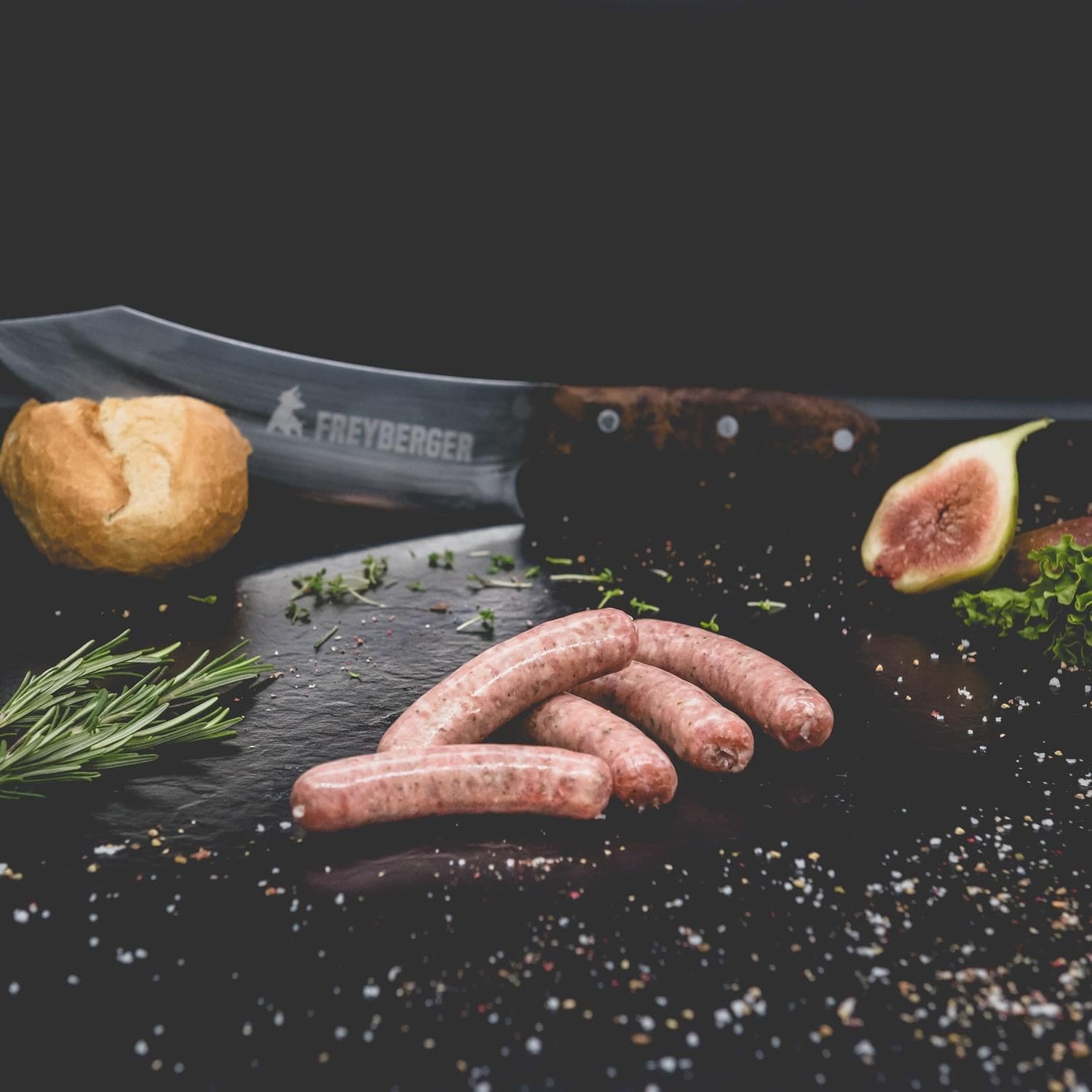
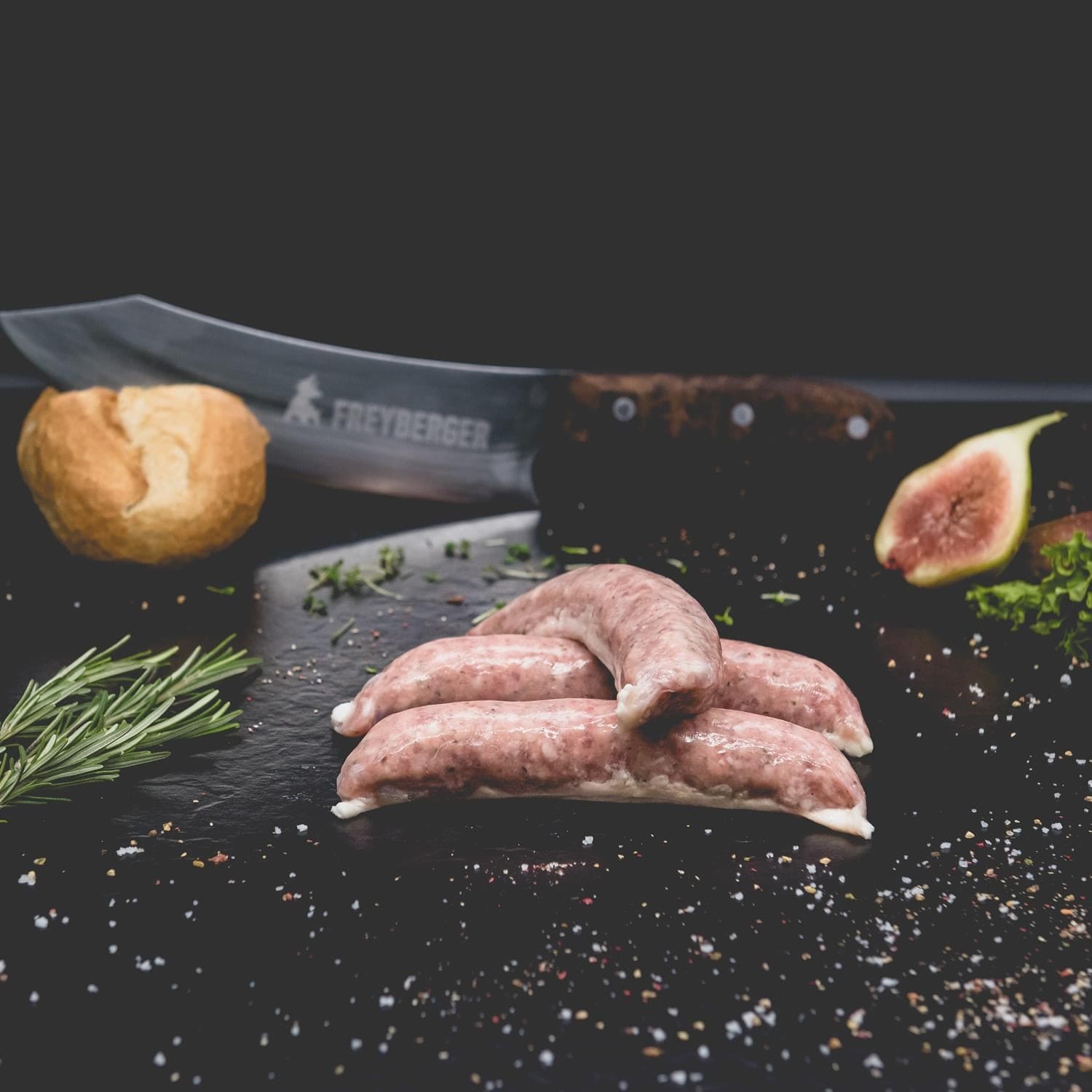
Sausage: Sausage doesn't like it too hot, otherwise it bursts. Medium heat on gas, charcoal, or electric grill is ideal. Turn it regularly for even browning.
Burgers: For the perfect crust, you need high heat. The charcoal grill provides the best flavor, but the gas grill also works great. Don't press the patties flat, otherwise they will lose their juice.
Grill types and meat types compared
The following table gives you a quick overview of which grill is best suited for which meat
(★★★ = ideal, ★★☆ = well suited, ★☆☆ = possible, ☆☆☆ = not recommended):
| Meat | Charcoal | Gas | Kamado | Pellet | Smoker | Electric |
| Steaks (Beef) | ★★★ | ★★☆ | ★★★ | ★★☆ | ★☆☆ | ★☆☆ |
| Brisket | ★☆☆ | ★☆☆ | ★★★ | ★★★ | ★★★ | ☆☆☆ |
| Chops (Pork) | ★★★ | ★★★ | ★★☆ | ★★☆ | ★☆☆ | ★★☆ |
| Pulled Pork | ★☆☆ | ★☆☆ | ★★★ | ★★★ | ★★★ | ☆☆☆ |
| Spareribs | ★★☆ | ★☆☆ | ★★★ | ★★★ | ★★★ | ☆☆☆ |
| Chicken breast | ★★☆ | ★★★ | ★★☆ | ★★☆ | ★☆☆ | ★★★ |
| Whole chicken | ★★☆ | ★★☆ | ★★★ | ★★☆ | ★★☆ | ★☆☆ |
| Lamb chops | ★★★ | ★★☆ | ★★★ | ★★☆ | ★☆☆ | ★☆☆ |
| Venison fillet | ★★★ | ★★☆ | ★★★ | ★☆☆ | ★☆☆ | ★☆☆ |
| Sausage | ★★★ | ★★★ | ★★☆ | ★★☆ | ★☆☆ | ★★★ |
| Burger | ★★★ | ★★★ | ★★☆ | ★★☆ | ★☆☆ | ★★☆ |
The most important core temperatures at a glance
No matter which grill you use, the core temperature determines the doneness. A meat thermometer is essential equipment for every grill master.
Beef:
• Rare: 44–48 °C
• Medium rare: 49–53 °C
• Medium: 54–58 °C
• Medium well: 59–64 °C
• Well done: from 65 °C
Pork:
• Juicy and cooked through: 62–65 °C
• Pulled Pork: 93–96 °C
Poultry:
• Cooked through: 74–76 °C
Lamb:
• Pink: 54–58 °C
• Medium: 59–63 °C
Game:
• Pink (recommended): 52–56 °C
• Medium: 57–60 °C
Professional tips for perfect grilling results
With these tips, you'll get the best out of your grilled food, regardless of the grill you use.
Temper the meat: Take the meat out of the refrigerator 30 to 60 minutes before grilling. Meat at room temperature cooks more evenly and reaches the desired temperature faster.
Preheat the grill: Whether charcoal, gas, or pellet, always preheat your grill completely. For charcoal, the coals should be fully glowing; for a gas grill, preheating takes about 10 to 15 minutes.
Allow resting time: After grilling, the meat needs a resting phase of 5 to 10 minutes. During this time, the meat juices distribute evenly and the steak becomes even juicier.
Quality matters: Buy your meat from a butcher you trust. This is the only way to ensure its origin and quality. Frozen goods from the supermarket cannot compete with fresh meat.
Less is more: Season steaks with salt and pepper only after grilling. Salt draws moisture from the meat if applied too early. Different rules apply to marinades and rubs.
FAQ
Which grill is best for beginners?
The gas grill is the best choice for beginners. It's quick to set up, the temperature can be precisely adjusted, and there are fewer variables that can go wrong. Once you have more experience, you can venture into charcoal or kamado grilling.
Can I also smoke on a gas grill?
Yes, it's possible with a smoker box. Fill the box with wood chips and place it on the burners. The result may not be quite as good as a real smoker, but it's sufficient for occasional smoking.
What meat cooks best on an electric grill?
Thin steaks, sausages, burgers, and chicken breasts are ideal for the electric grill. They don't require extreme heat and benefit from the even heat distribution. However, an electric grill is not suitable for low & slow cooking.
What is the difference between direct and indirect grilling?
With direct grilling, the meat is placed directly over the heat source and cooked quickly at high temperatures. With indirect grilling, the heat is next to the food, which then cooks slower and more evenly due to the circulating hot air.
How important is the type of wood for smoking?
Very important! The type of wood significantly influences the aroma. Hickory is strong and pairs well with pork and beef. Fruitwoods like apple or cherry are milder and suitable for poultry. Mesquite is very intense and should be used sparingly.
Do I need different accessories for each type of grill?
The basic equipment is similar: meat thermometer, grill tongs, grill brush. For smokers and pellet grills, you additionally need wood chips or pellets. For a Kamado, deflector stones are useful for indirect grilling. A kettle grill benefits from a charcoal basket for zone setup.
Our Conclusion
Choosing the right grill is not a question of right or wrong, but of preferences and intended use. The charcoal grill delivers the classic grilling aroma and is ideal for steaks and seared dishes. The gas grill scores with comfort and precision. The Kamado is the most versatile all-rounder, mastering everything from high-temperature grilling to low & slow. The smoker is unbeatable for authentic barbecue with intense smoky flavor. And the pellet grill combines convenience with a smoky taste.
The crucial thing is to know the strengths of your grill and select the appropriate meat for it. A brisket on an electric grill will never be as good as in a smoker. On the other hand, a bratwurst cooked on an electric grill will be just as delicious as on charcoal. With the knowledge from this guide, you are well-equipped to get the most out of every grilling evening. Try different combinations and find out what tastes best to you – because in the end, only one thing matters: that you and your guests enjoy it.
