

Shopping List, Quantity Calculator and Professional Tips from the Butcher
A BBQ party for ten guests is coming up, and the perennial question arises: How much meat, how many sides, how many drinks need to be bought so that there are neither leftovers in the fridge nor hungry faces at the table at the end? The right sense for quantities comes with experience, but the answer to the question lies in sober calculation, a structured shopping list, and a few tricks that every butcher knows by heart, even without much experience. Anyone who neatly combines these three things can save money, nerves, and time. The following guide shows step-by-step how to realistically plan a BBQ party for ten people, which quantities have proven successful in practice, and what to really look out for when buying meat.
Calculating Quantities Correctly: BBQ Calculator for 10 People
As a rough rule of thumb, butchers and BBQ professionals calculate about 300–400g of meat per adult, if meat is the main component. For ten guests, this results in approximately 3.0 to 4.0 kilograms of raw grilling meat, distributed among two to three types. This ensures variety and covers different tastes. A common mix distribution could look as follows: 40 percent beef (steaks or burger patties), 35 percent pork (neck steaks, belly bacon, bratwurst), and 25 percent poultry (chicken drumsticks, marinated fillets).
For side dishes, one calculates about 150 to 200 grams of salads and 100 grams of bread or baguette per person. An additional 100 to 150 grams of grilled vegetables are added. If you notice at short notice that an ingredient is missing or a side dish is running out, you can order missing groceries via Lieferando instead of driving off just before lighting the grill.
Drinks are often neglected. At least 1.5 liters of non-alcoholic beverages should be planned per person, plus 0.5 to 1.0 liter of beer or wine, depending on the occasion. For ten guests, this adds up to at least 15 liters of water, juice, and lemonade, and 5 to 10 liters of alcoholic beverages.
The Complete Shopping List at a Glance
A good shopping list saves duplicate trips and forgotten items on the day of the party. It is best organized according to the product categories of the store.
Meat (approx. 3.5 kg total):
-
1.2 kg beef steaks (rump steak or entrecôte, approx. 200 g each)
-
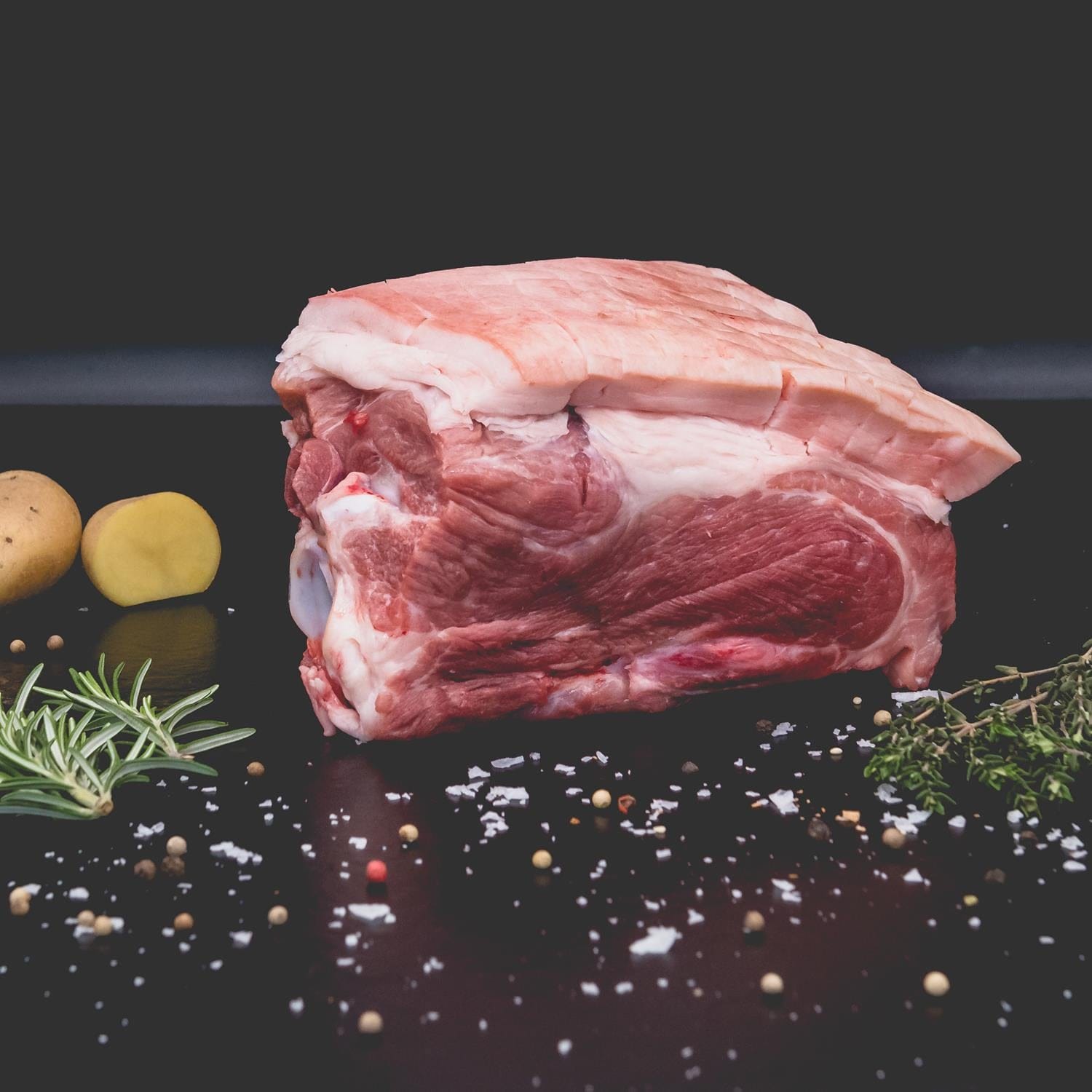
1.0 kg pork neck, in 180 g thick steaks
-
800 g chicken drumsticks or marinated chicken fillets
-
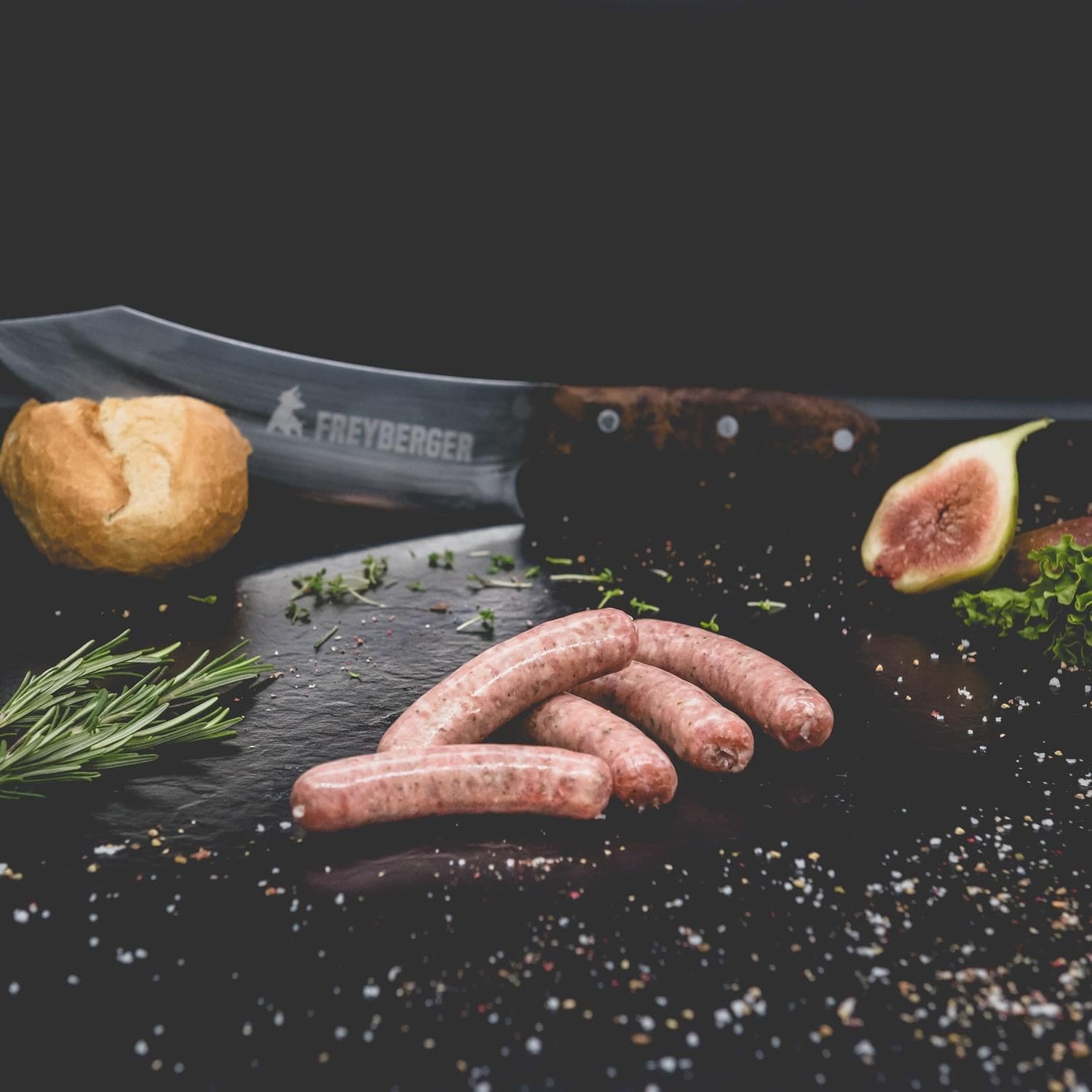
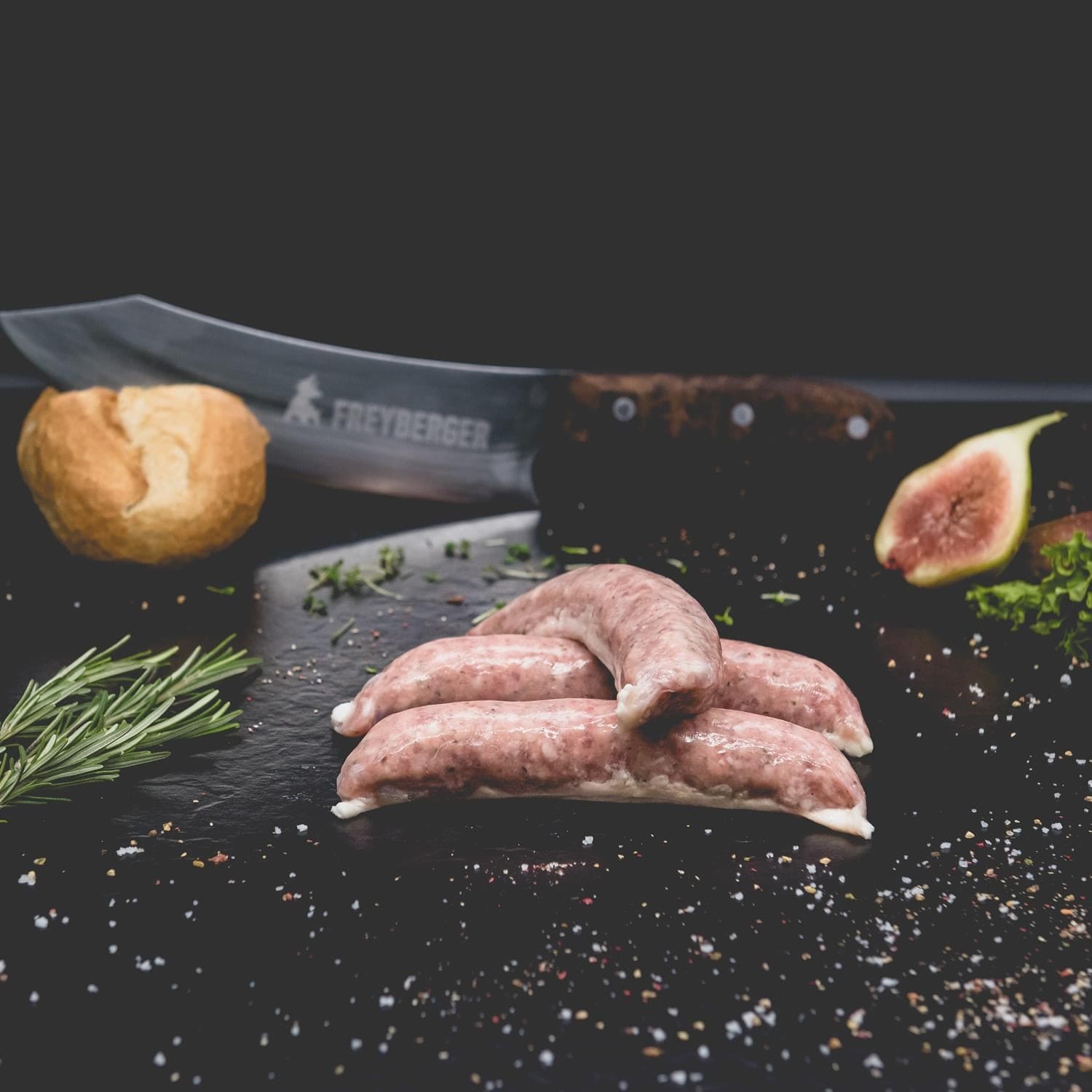
8 to 10 bratwurst sausages (500 g depending on size)
Side dishes and salads (fresh):
-
500 g potatoes for potato salad
-
300 g pasta for pasta salad
-
2 cucumbers
-
500 g tomatoes
-
1 bunch radishes
-
200 g feta, 100 g olives
-
2 baguettes or 1.5 kg grill bread
-
1 kg grilled vegetables (zucchini, bell peppers, mushrooms, corn on the cob)
Sauces, marinades, other:
-
BBQ sauce, mustard, ketchup, herb butter
-
Grilling oil, coarse sea salt, pepper, paprika powder
-
Aluminum foil, grill lighter, paper towels, napkins
Drinks:
-
12 liters mineral water
-
6 liters juice spritzers or lemonade
-
5 to 10 liters beer
-
3 to 4 bottles wine
If you buy locally, most butcher shops offer discounts for certain quantities. A preliminary discussion with the butcher is almost always worthwhile, especially for cuts not displayed in the showcase.
Professional Tips from the Butcher: How to Recognize Quality and Cuts
Meat quality begins with the degree of ripeness. A good beef steak should be dry-aged for at least 21 days (Dry Aged) or wet-aged for at least 14 days (Wet Aged). Fresh beef steaks have a dark red to cherry red color, not bright red. Bright red color usually indicates oxygen contact and is not a sign of quality. For pork, fine marbling is crucial, as intramuscular fat ensures juiciness and aroma from the grill.
The German Meat Industry Association repeatedly points out that origin labels and the animal husbandry levels are now clearly visible on most packaged products. Level 3 (outdoor climate) and Level 4 (organic) are considered particularly recommendable. According to Statista, per capita meat consumption in Germany was recently around 52 kilograms. We eat the most pork.
For grilling itself, three simple rules from butcher practice apply:
1. Take meat out of the refrigerator at least 30 to 60 minutes before grilling so it can reach room temperature.
2. Sprinkle salt only after searing so the meat does not bleed.
3. After grilling, let it rest for two to three minutes so the meat juices can redistribute evenly in the muscle tissue.
For bratwurst, pay attention to indirect heat so the skin does not burst. Steaks, however, require direct high heat of around 250 to 300 degrees to form a nice crust. Chicken pieces with core temperatures around 75 degrees need the longest cooking time and should be placed on the grill first.
Timing, Preparation, and Process on Grilling Day
A well-thought-out schedule prevents stress in the afternoon. Two days before the party, non-perishable ingredients such as drinks, sauces, charcoal, and bread are purchased. Marinades can also be prepared in advance, as beef and pork benefit from a resting time of at least 12 hours. The day before, meat and fresh salad ingredients are purchased. Potato salad is prepared the day before, as it develops flavor overnight.
On the grilling day itself, the following process has proven effective:
-
3 hours before: Prepare charcoal, clean grill area, set up side table
-
2 hours before: Take meat out of the refrigerator, arrange salads
-
1 hour before: Light grill, cut grilled vegetables
-
30 minutes before guests arrive: Place first sausages and chicken pieces on the grill
For the grill itself, about 3 to 4 kilograms of charcoal or briquettes are needed for ten people. If grilling with gas, the filling level of the cylinder should be checked beforehand, as an 11-kilogram cylinder usually lasts for about 15 to 20 hours of grilling.
The division of the grilling surface also needs to be planned. An area with direct heat for steaks and sausages, an area with indirect heat for chicken and vegetables, and a cooler warming zone for finished dishes ensure a smooth process. If you want to play it safe, keep a small reserve of an additional 500 grams of meat ready, as experience shows that some guests eat significantly more than the average might suggest.
With this combination of precise quantity planning, a structured shopping list, and basic butchery knowledge, a BBQ party for ten people can be confidently prepared and carried out without improvisation at the grill. Anyone who plans their shopping early and involves their trusted butcher will have a clear head on grilling day for the essentials: the guests and the food.
