

Steak, bratwurst, shrimp, or vegetables are usually cooked on a classic grill grate in German gardens. The plancha has established itself as a second method, which differs fundamentally in its technology. A massive steel or cast iron plate transfers heat directly to the food, instead of heating it via radiation and open flame. Which variant delivers the better result depends less on taste than on the type of meat, cut thickness, and fat content.
Contact heat versus radiant heat. What happens physically
On a classic grill grate, radiant heat predominates. Charcoal or gas burners typically generate temperatures between 250 and 400 °C, and the food hangs freely over the heat source. The plancha works with contact heat. Its plate reaches over 300 °C and lies directly on the meat. For the Maillard reaction, which is responsible for browning and roasting aromas, surface temperatures of around 140 °C are necessary. Both methods achieve this easily, but in different ways. The grate produces the typical stripe pattern and localized heat peaks, while the plancha creates a uniform, even crust. Anyone considering purchasing one will find a suitable plancha grill in various burner configurations, from compact two-burner devices to models with five separately controllable zones.
Fat, smoke and health aspects
Dripping fat is the crucial difference. On the grate, marinade and meat juices drip onto glowing charcoal or burner flames. This creates polycyclic aromatic hydrocarbons, or PAHs for short. The Federal Institute for Risk Assessment has been pointing out these compounds for years and recommends, among other things, not letting fat drip into the flame. The plancha avoids this problem by design. Its plate is slightly angled, and fat and liquid run into a drip tray. This means that flare-ups and heavy smoke development rarely occur. This is a practical advantage for heavily marinated dishes or fatty cuts.
Which cut belongs to which heat
The suitability of the two methods varies significantly with the cut:
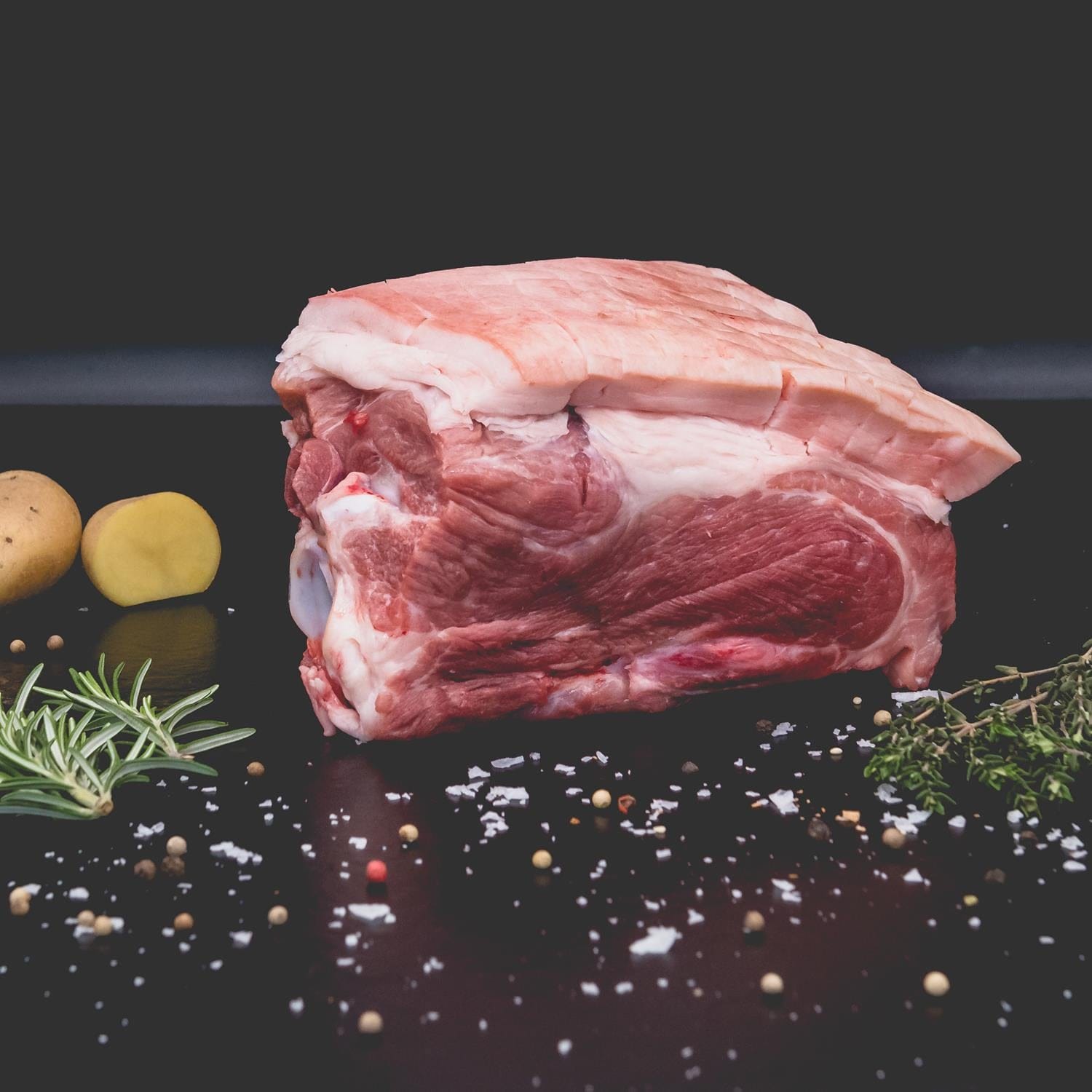
● Entrecôte and ribeye from three centimeters thick benefit from two-zone grilling on the grate: sear quickly, then let it reach core temperature in the indirect zone. A plancha also delivers a strong crust, but its strengths are more apparent with thinner pieces.
● Flank steak, skirt steak, and tagliata with a thickness of one to two centimeters succeed more precisely on the plancha because the continuous contact surface sears quickly and moisture loss remains low.
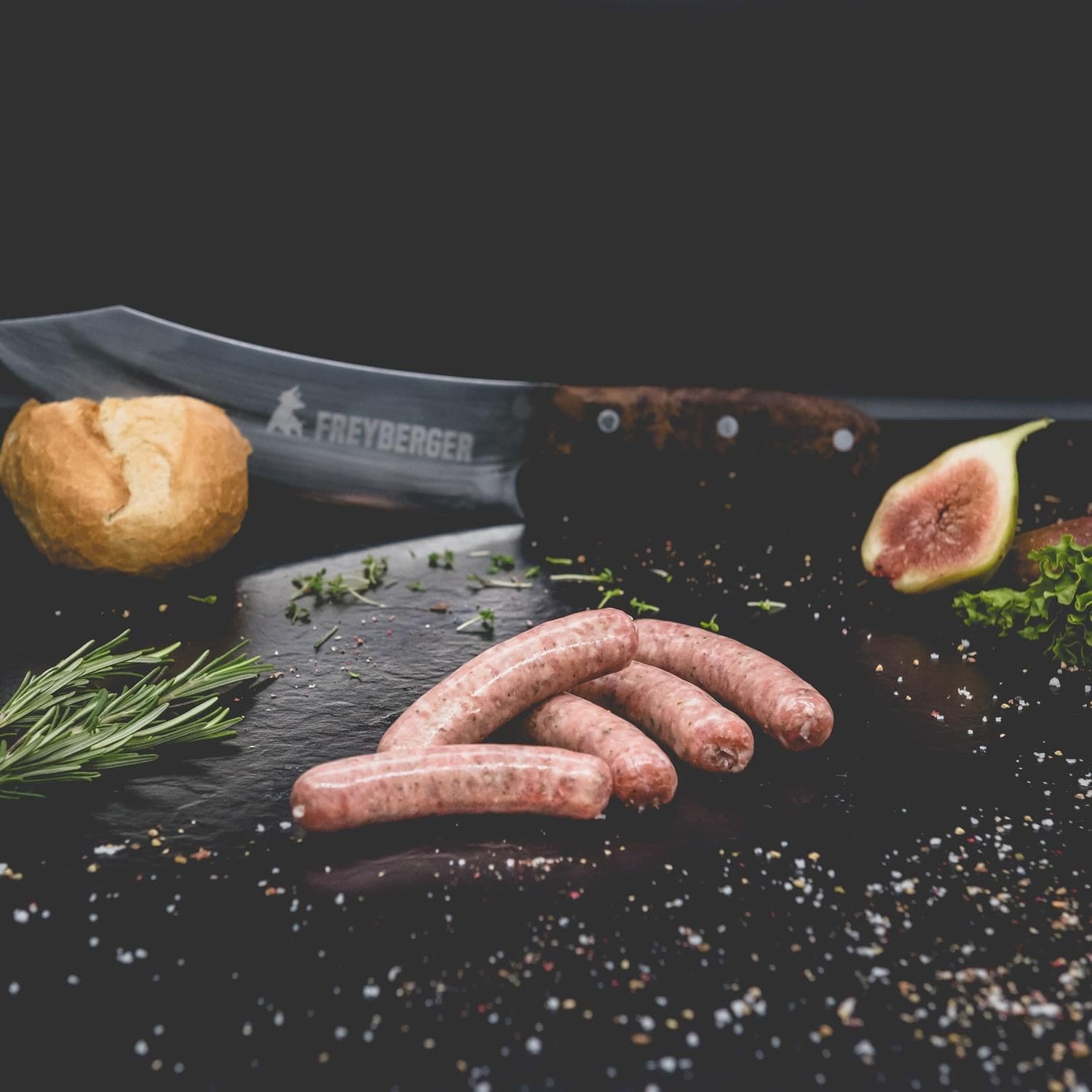
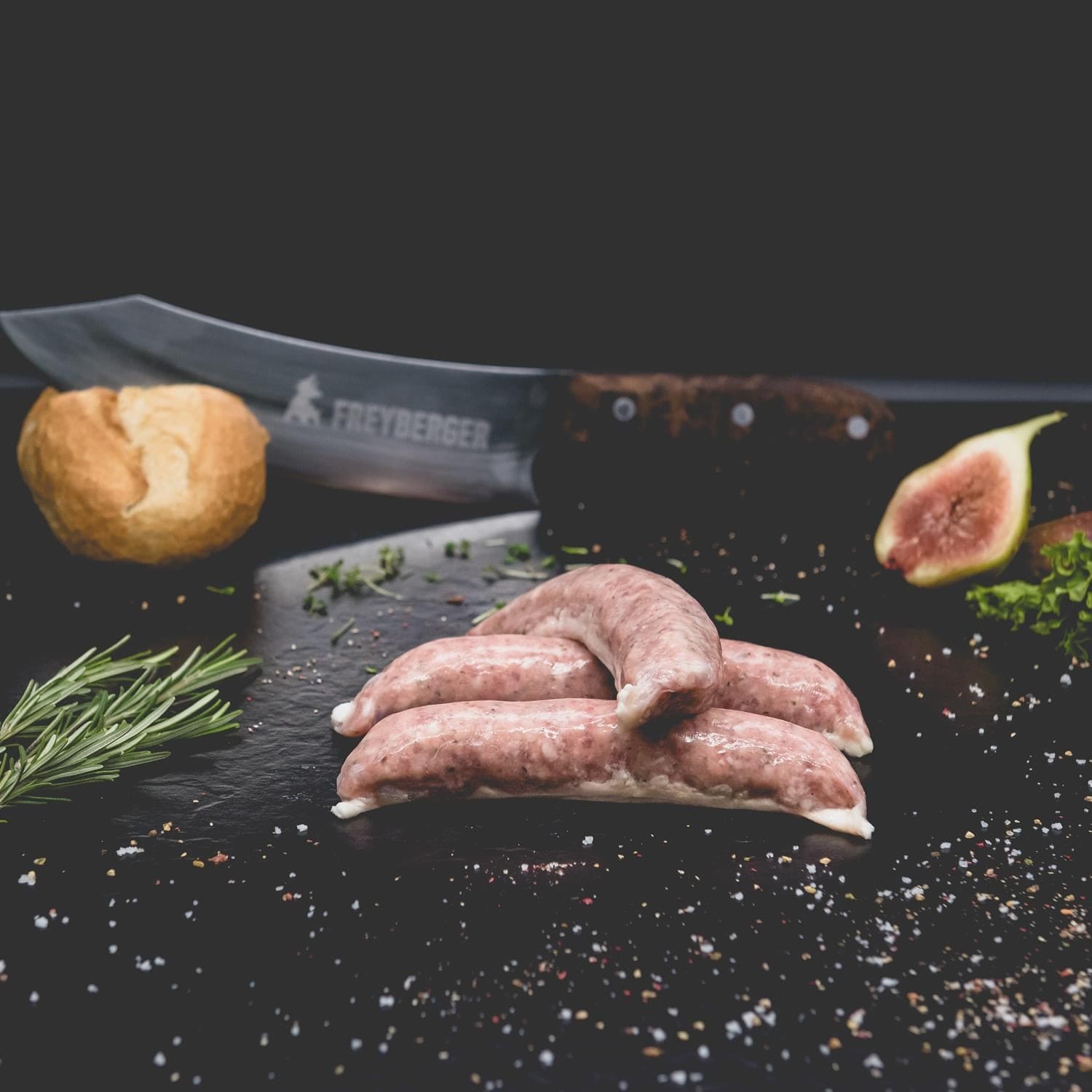
● Bratwurst sausages occasionally burst on the grate if the natural casing overheats. On the plancha, they can be turned more evenly and retain their shape.
● Shrimp, scallops, and squid are classic plancha candidates. They would fall through a wide-meshed grate or stick to it.
● Smash burgers require a flat, very hot surface for the patty surface to caramelize. Here, the plancha clearly has the advantage.
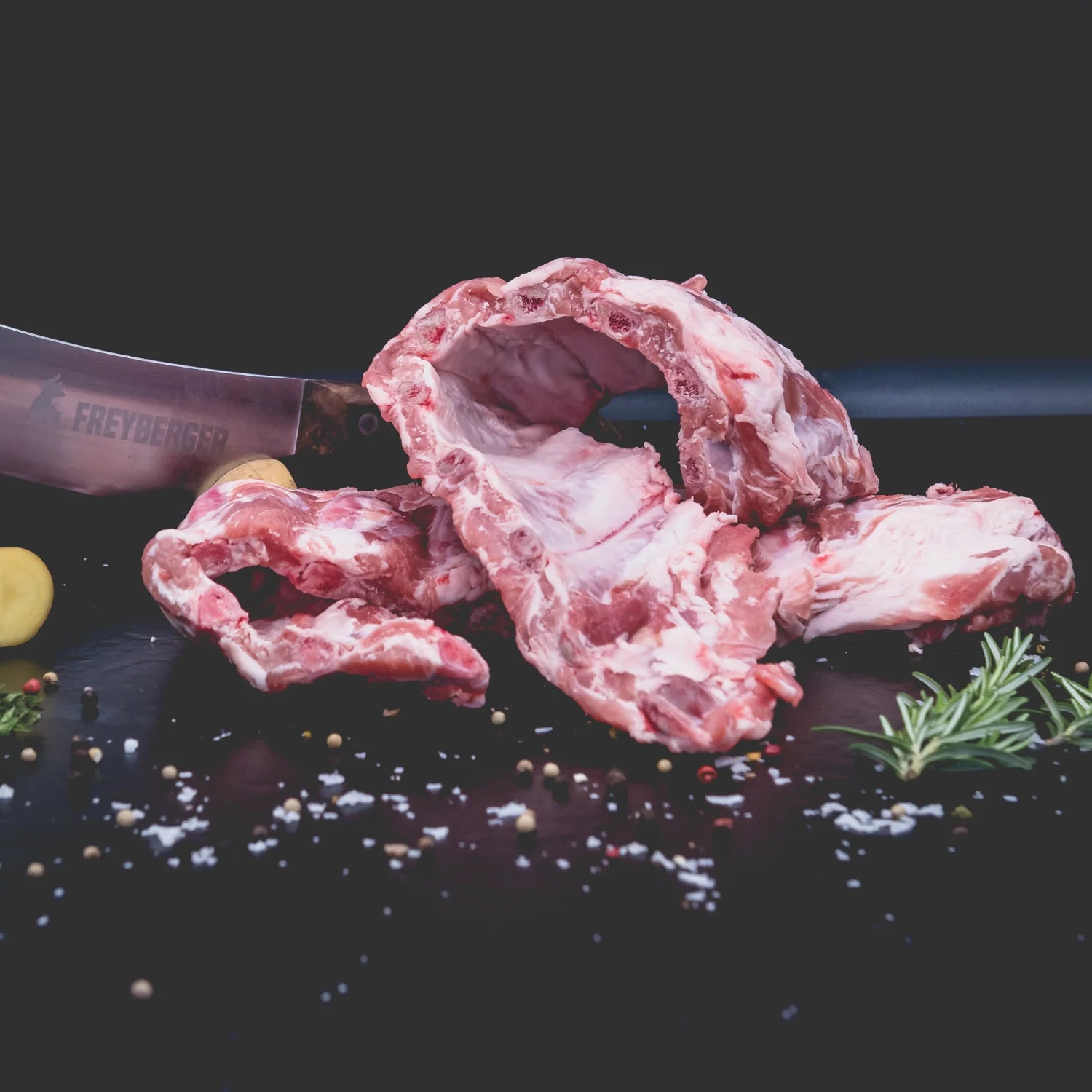
● Spare ribs and whole poultry pieces belong in a closed grill with indirect heat, i.e., on the grate with a lid. The plancha is not designed for such long cooking times.
Materials and care as a decision criterion
Plancha plates are usually made of stainless steel, enameled steel, or cast iron. Stainless steel heats up quickly and is easy to clean. Cast iron retains heat longer and develops a patina over time that exhibits non-stick properties. On the grate side, stainless steel and enameled cast iron rods dominate. For cleaning: the plancha can be cleaned with water and a spatula when warm, while the grate often requires a wire brush or alternatives such as brass brushes, whose bristles break less quickly.
Those who regularly prepare thin steaks, seafood, and vegetables are better off with a plancha. For classic BBQ disciplines with long cooking times and thick cuts, the grate remains the first choice. Many current gas grills can be equipped modularly, allowing both methods to be combined in one device.
