

Salting Steak: Your Guide to the Perfect Grilled Meat
The most important things at a glance:
1. Why is salting steak so important?
Discover how salting before grilling masterfully transforms the texture and flavor of your steak by promoting a rich crust and evenly seasoning and juicy each piece.
Learn more2. How should each steak be salted?
Learn how different types of steak require unique salting techniques to bring out their flavor and achieve an unforgettable grilled result.
Learn more3. Which salt goes best with which steak?
Find out which salt has the potential to bring out the flavor of your steak and contribute to an unforgettable taste experience by emphasizing the uniqueness of each type of meat.
Learn morePreparing a perfect steak is more than just a culinary process; it's an art form, filled with precision, passion, and a variety of techniques that must be mastered. One of the most critical and often underestimated steps in this art is "salting the steak." This inconspicuous act of seasoning is a key ritual that can determine success or failure in steak preparation. Proper salting allows the meat to unfold its full splendor, intensifying flavors and creating an ideal texture.
In this blog post, we will take you on a detailed journey through the world of salting steak. We will provide deep insights into the best techniques and practices and delve into the science behind perfectly seasoning steak. Every piece of meat has the potential to become a culinary masterpiece, and we will show you how to fully unleash that potential through proper salting.
Why is salting steak so important?
Salting is not only an essential step in seasoning but also a critical process that prepares the meat for cooking and enhances its texture and flavor during grilling or roasting. But why exactly is salting steaks so important?
1. Enhancing Texture:
Salt has the ability to affect the protein fibers in meat, leading to a softer and juicier texture. It helps tenderize the meat by loosening the proteins, allowing more moisture to be retained in the meat during cooking.
2. Promoting the Maillard Reaction:
Salt promotes the Maillard reaction – a chemical reaction between amino acids and reducing sugars that gives the steak a rich brown crust and complex flavor when pan-frying or grilling. Salting dries the surface of the meat, which in turn supports the formation of this delicious crust.
3. Flavor Intensification:
Salt is a flavor enhancer. It has the ability to heighten taste perception, allowing the flavors in the meat to emerge more prominently and fully. This means that every piece of meat you enjoy is richer and more pleasant in taste.
4. Even Seasoning:
Salting the steak before grilling ensures that the salt has time to penetrate the meat, leading to more even seasoning and a more consistent flavor. This is particularly important to ensure that every part of the steak is seasoned just right.

How should each steak be salted?
Salting is not only an essential step in seasoning steaks, but also an art in itself. The right level of salt can bring out the meat's own flavor, while too much or too little salt can spoil the overall taste experience. Below we have summarized some specific recommendations for different types of steaks.
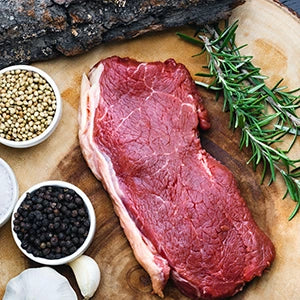
1. Salt the beef steak:
For beef steak, we recommend salting the meat generously about 40 minutes before grilling. This method allows the salt to penetrate deeply into the meat and intensify the natural flavor.
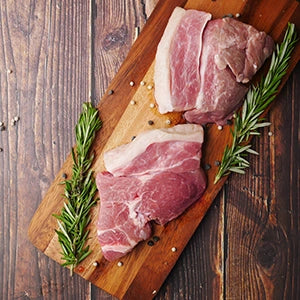
2. Salt the pork steak:
Pork steaks are generally milder in taste. In this case, it is often better to salt the meat lightly and evenly just before grilling or frying in order to preserve the natural flavors of the meat.
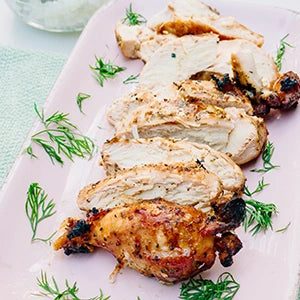
3. Salt the chicken steak:
Poultry steaks, such as chicken breast, should be salted evenly before cooking to keep the meat tender and juicy and to enhance the flavor. A good rule of thumb is to salt the meat about 30 minutes before cooking.
Of course, the quality of the meat is also crucial for an excellent taste experience. The Freyberger butcher's shop offers an extensive selection of high-quality meat products that are perfect for your next steak experience. With the right meat and the right salting technique, almost nothing stands in the way of an unforgettable taste experience.
Discover our tasty product classics
Which salt goes best with which steak?
Choosing the right salt is just as important as the way you salt your steak. Different types of salt can open up different dimensions of flavor and bring out the best in your meat. Let's go through the best salt options for different types of steak:
1. Sea salt:
Sea salt, with its natural and mineral complexity, goes fantastically with most steaks. It gives a fresh and slightly delicate taste that goes particularly well with beef steaks.
2. Rock salt:
Rock salt, a more traditional salt, is a solid choice for robust meats like pork steaks. It enhances the meat's natural flavor without overpowering it.
3. Smoked salt:
Smoked salt offers a smoky flavor that goes particularly well with grilled steaks. It enhances the grilled flavor and gives the meat an additional depth of flavor.
4. Curing salt:
Curing salt is often used for poultry steaks. It helps keep the meat tender and juicy and adds a light seasoning that doesn't overpower the poultry flavor.
Get 5% discount exclusively for you
Would you like to try our products from the Freyberger butcher shop? We welcome you with a special offer! Simply enter your email address in the link below and enjoy an immediate discount on your first purchase.
FAQ
Now you've got plenty of information on the topic of salting steaks. We've covered everything from the importance of salting to choosing the right salt. Now we'll go a step further and answer some common questions to deepen your knowledge even further.
Salting steaks sets in motion a process that intensifies the liquid in the meat and the flavors. Osmosis occurs, whereby the salt tenderizes the meat and locks in the juices. This prevents the steak from drying out when grilling and allows for a juicier and more flavorful result.
If you salt a steak too soon, it can actually cause it to dry out. The salt draws out the steak's moisture, but with the right timing, salting before grilling can preserve juiciness and enhance flavor.
The quality of the meat is crucial for the end result. When using high-quality meat, such as that from the Freyberger butcher's shop , the salting and grilling are optimized, as the meat already has an excellent texture and variety of flavors, which are further enhanced by the right salting.
Fleur de Sel is an excellent choice when salting steaks. It is a natural sea salt that has the ability to intensify the flavor of the meat without overpowering it.
It is recommended to salt the steak before grilling. Salting before grilling allows for a deeper penetration of the flavors and an improved texture. After grilling, the steak can be lightly salted again to refine the flavor.
Discover the ultimate grill guide by Dirk Freyberger
Looking for the secret of incomparable barbecue moments? Unleash your barbecue skills with Dirk Freyberger's 'Sunday BBQ' - your masterful guide to outstanding barbecue results.
Our conclusion
Salting is more than just a step in the cooking process; it's an art that, when done right, has the potential to take your steak to a whole new level. It affects the texture, flavor and overall quality of your dish.
A good steak starts with choosing the right meat. This is where the products from the Freyberger butcher's shop come into play: Our selection of high-quality meat offers an ideal foundation on which you can build. Our meat is naturally flavorful and tender, properties that are further enhanced by proper salting.
Our range of steaks offer a natural and authentic flavour that is only enhanced by the art of salting. Experiment with the different techniques we have discussed and find out which one suits our steaks best. Enjoy your meal!
