
Braise wild boar tenderly: Prepare wild boar roast correctly
Roast wild boar can quickly become tough. Fatal mistakes are often made during preparation, rendering the high-quality game meat inedible. This starts with the selection of the meat itself and then moves on to certain rules that should be followed, but what are they?
Both the leg and the shoulder are suitable for wild boar roast. However, both cuts require different core temperatures. It is also important that the preparation differs if you want to make a pot roast. In general, the rule is: sear the meat and then slowly and gently cook it in the oven/grill. Marinades or buttermilk can help to tenderize the meat. A rub, on the other hand, adds extra flavor. Dumplings are suitable as a side dish, and wild boar bones are needed for a sauce.
Preparing wild boar roast
To prepare a wild boar roast, the first step is to select the right cut. But the seasoning and preparation of the game meat also play a key role. For a tasty Sunday roast, just like Grandma's, there are a few things you should keep in mind before you begin.
The preparation
The most important thing is the meat. Fresh game meat is the essence of your dish. You can buy it directly from the hunter or from a butcher you trust. Make sure you seek transparency. This is always guaranteed when you know exactly where the meat comes from. Therefore, stay away from frozen products from the supermarket. You can only verify the quality and origin with a professional.
If you want to cook frozen meat , let it thaw overnight in the refrigerator. And be sure to bring it to room temperature before cooking. This will make cooking easier and help you achieve your desired doneness. Additionally, you should always have a meat thermometer and a roasting pan on hand.
Pro tip: Always preheat your oven or grill and set up a direct and indirect cooking zone . For oven cooking, have a pan ready on your stovetop.
The best wild boar meat for cooking
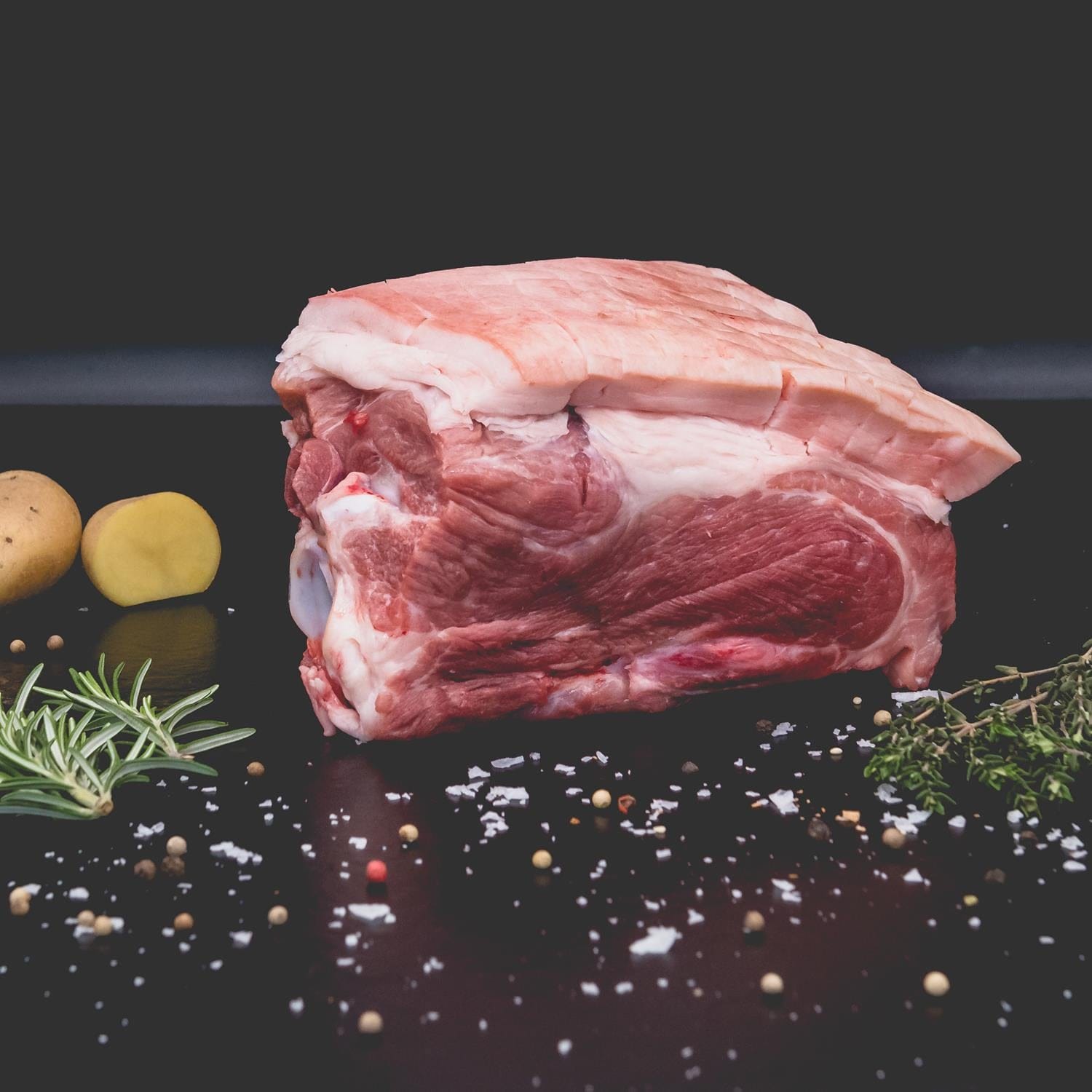
Not every cut of wild boar is suitable for classic roasting. Quick-fry cuts, such as the fillet or the loin fillet, for example, make tasty steaks. The shoulder, neck, and leg, on the other hand, are well suited for this purpose.
The neck can be used very well for a rolled roast or for goulash. The leg is good for a pink wild boar roast or even as a pot roast. In addition, the leg, like the neck, can also be processed into goulash. However, we advise against this, as a delicious roast can be made from the wild boar leg. The shoulder, however, is different. It is excellent for goulash. But you can also confidently make a roast from it.

Wild boar leg or shoulder for roasting?
In general, both the wild boar leg and the wild boar shoulder are excellent for preparing as a roast. However, you have to differentiate which type of roast you want. The internal temperature is also different for both cuts. For example, if you want a pink wild boar roast, you should choose the leg .
But a pot roast can also be served excellently with the leg . However, the internal temperature is different. The situation is similar with the shoulder . But even though it's also suitable for roasting, the shoulder requires a different internal temperature than the leg . In the next section, we'll tell you how to optimally prepare both.
Core temperature and preparation - how to make it tender

Cook wild boar roast
First, we'll give you a general guide that you can use for roasts in general:
Once your piece of meat has reached room temperature and has been trimmed, you can sear it golden brown on all sides in a roasting pan or frying pan with clarified butter or ghee. You can also add tomato paste.
Then deglaze your meat with beer or red wine. Now you can remove the meat and season it with salt and pepper. Rosemary, bay leaves, juniper berries, and thyme are also good choices.
In addition to our well-balanced game seasoning, we can also recommend our in-house spice blend, the Burger Seasoning. This is excellent for all meat dishes and saves you the difficult task of choosing the right spices.
Now you can put your wild boar meat into the roasting pan, and thus into the oven or on the grill. It is important that the roasting pan is open. The oven should be at 160 °C, and for the grill, you need indirect heat of 180 °C. Depending on the cut, you will need the following core temperatures to ensure your meat is juicy and tender:
- Wild boar shoulder = 78 - 82 °C
- Wild boar leg = 60 - 64 °C
Pro tip: Add onions to the roasting pan for more umami.
If you want to know more about this topic, feel free to visit our YouTube channel. There you will find many video tutorials for meat recipes, e.g., short guides on wild boar shoulder, wild boar neck, or wild boar leg. You want game but no pork? No problem! We also have a video guide for roast venison.
Braised wild boar
For a braised roast made from wild boar meat, it's best to use the leg. Brown your tempered and trimmed wild boar leg on all sides in clarified butter or ghee. Then you can deglaze your meat with some beer or red wine. Season it with pepper and salt, then place the venison in a roasting pan. In addition, add carrots, onions, celery, leeks, and garlic cloves. Tomatoes and mushrooms are also an excellent choice.
Finally, pour some water or stock over everything and close the roasting pan with a lid or aluminum foil. Now you can place the covered roasting pan in the oven or grill and cook it gently. The meat must now cook for several hours and reach a core temperature of 78 °C.
After the mentioned cooking time, your venison is ready. Now you can slice it with a sharp knife and serve it to your guests with a meat fork.
The right sauce for wild boar roast
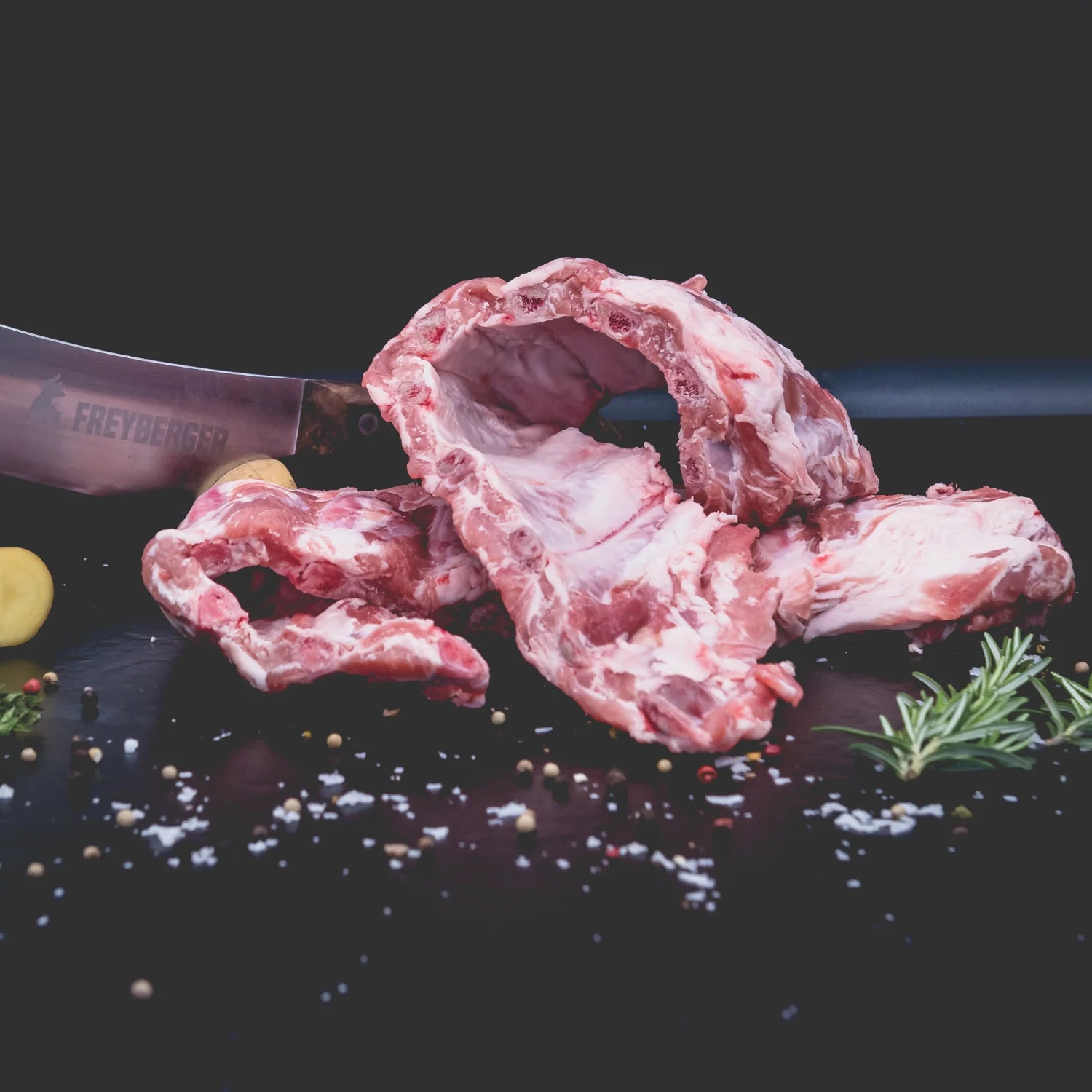
For a classic sauce, you need wild boar bones. First, place them in a pot. Then, roast the bones thoroughly and add tomato paste. Optionally, you can also add soup vegetables to the pot. These should be diced beforehand. Onions are essential, however. These add umami to the sauce. So, peel the onions and fry them with the sauce. Then, deglaze everything with beer and let it simmer.
You can also add a little more meat broth a little at a time. After about 20 to 30 minutes of simmering on low heat, use a sieve and strain the liquid. This separates the vegetables from the sauce. This way, you don't have to puree the vegetables, and you still get a tasty broth.
To make the sauce thicker, add a little more starch. Remember to stir the sauce constantly to prevent it from burning. Season to taste with salt and pepper at the end. For a kick of flavor, stir in a knob of butter. This complements the gamey flavor of the meat without overpowering its original flavors.

Marinate and season wild boar
The marinade
A marinade usually tenderizes meat , as long as it's oil-based. Oil breaks down the protein structure of meat and makes it buttery soft. For a marinade, you'll need:
Combine these ingredients and marinate your meat in it overnight in the refrigerator. This gives the sauce enough time to absorb into the meat . If you want to make things even easier, you can of course use a ready-made game seasoning . Before preparing your meat , you should roughly remove the outer layer of marinade. However, a marinade isn't always necessary. A rub is often more effective.
The Rub
Rubs are usually a combination of various spices. You can either mix them yourself and use classic game spices , or you can use our Basic Rub . This rub is excellent for all meat dishes and was developed in-house. We highly recommend it.
Apply the rub to your raw meat . This means rubbing it vigorously on all sides. Then you can prepare the meat as described above. The only important thing is to adjust the seasoning. If you already season your meat vigorously before cooking, it's not necessarily necessary to add anything else.
The buttermilk
Buttermilk has a similar effect to a marinade. It also tenderizes the meat and is often used with game . It won't impart any additional flavor to your venison . If you want to experience the authentic flavor of game, feel free to use buttermilk, but keep in mind that it's not absolutely necessary if you're keeping the core temperatures correct.
The right side dish for roast pork & co.
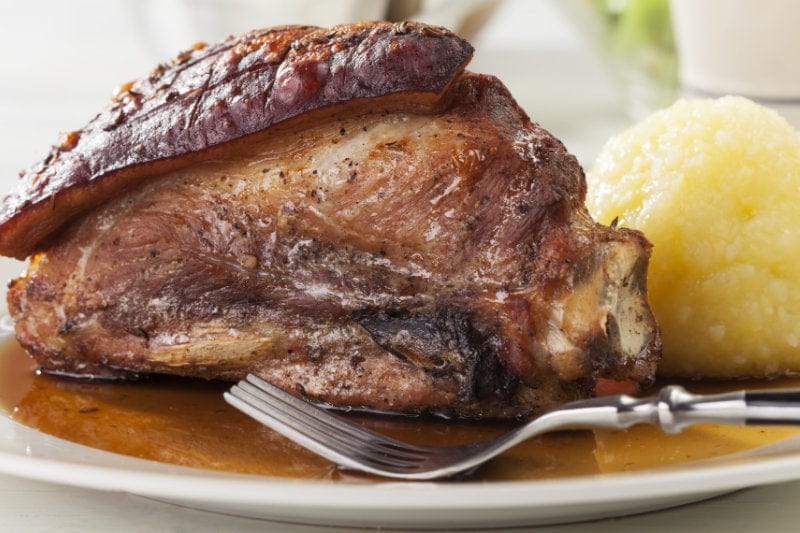
Roast pork, whether domestic or wild , generally goes well with dumplings. These can be potato or bread dumplings. But spaetzle, croquettes, or mashed potatoes are also good choices. Brussels sprouts and red cabbage with cranberries are also excellent additions to roasts.
By the way, you can easily make spaetzle or dumplings yourself. You don't need much. For spaetzle, you only need a regular dough made from flour, eggs , and water. Shape it using a spaetzle grater over boiling water and wait until the spaetzle float to the top. Then they're done.

Potato dumplings are a bit more complex to make but also require very few ingredients. Simply cook potatoes and remove their skins. Mash them finely and form them into small balls with potato starch. If you like, you can also incorporate a cube of day-old bread into the center of the dumplings. Now, place your raw dumplings in simmering, not boiling, water and let them cook there for 20 to 30 minutes. And just like that, you have a tasty side dish.
FAQ
Wild boar can be tenderized by searing it beforehand and then slowly cooking it in the oven or grill. Pay attention to the core temperatures of the different cuts. Marinades and buttermilk can also help.
Wild boar is best seared in a pan until golden brown, then slowly and gently grilled or oven-baked to the desired internal temperature. Classic game spices are also suitable before cooking.
Your wild boar roast is ready when it has reached the desired internal temperature. This varies depending on the cut: Wild boar shoulder = 78 - 82 °C; Wild boar leg = 60 - 64 °C; for a braised roast, you should allow several hours.
Wild boar should be braised at 160 °C.
You can't go wrong with this technique: First, sear your meat in a pan until golden brown, deglaze with beer, season, and then transfer it to a roasting pan. Place this in your oven and cook at 160°C to your desired internal temperature.
Our conclusion
To prepare a tasty wild boar roast, you first need to choose the right cut. Not every cut is equally suitable for a delicious roast. Shoulder and leg are the best options. Generally, the meat must first be seared and seasoned before it goes into the oven or grill. Gently bringing it up to the correct core temperature, combined with the right preparation, determines success. Marinades, rubs, or even buttermilk can be used, but are generally not necessary. While these aids facilitate the cooking process, they are often obsolete if the correct preparation method is followed. A sauce can easily be made from wild boar bones and some vegetables. This process can take place parallel to the cooking of the venison. Finally, the roast can be excellently served with dumplings, creating a harmonious dish. In conclusion, preparation will be successful if the guide criteria are strictly adhered to.
