
The ribeye and roast beef are among the most popular steaks in Germany. These cuts are a must-have, especially on the grill. However, mistakes often happen in preparation, and there are significant differences between wet-aged and dry-aged.
Furthermore, seasoning and marinade are contentious points among grill masters. But myths also persist about charcoal and gas grills. In this guide, we reveal how to properly prepare these two steaks. There's also a matching video here.
The Origin of Ribeye and Roast Beef
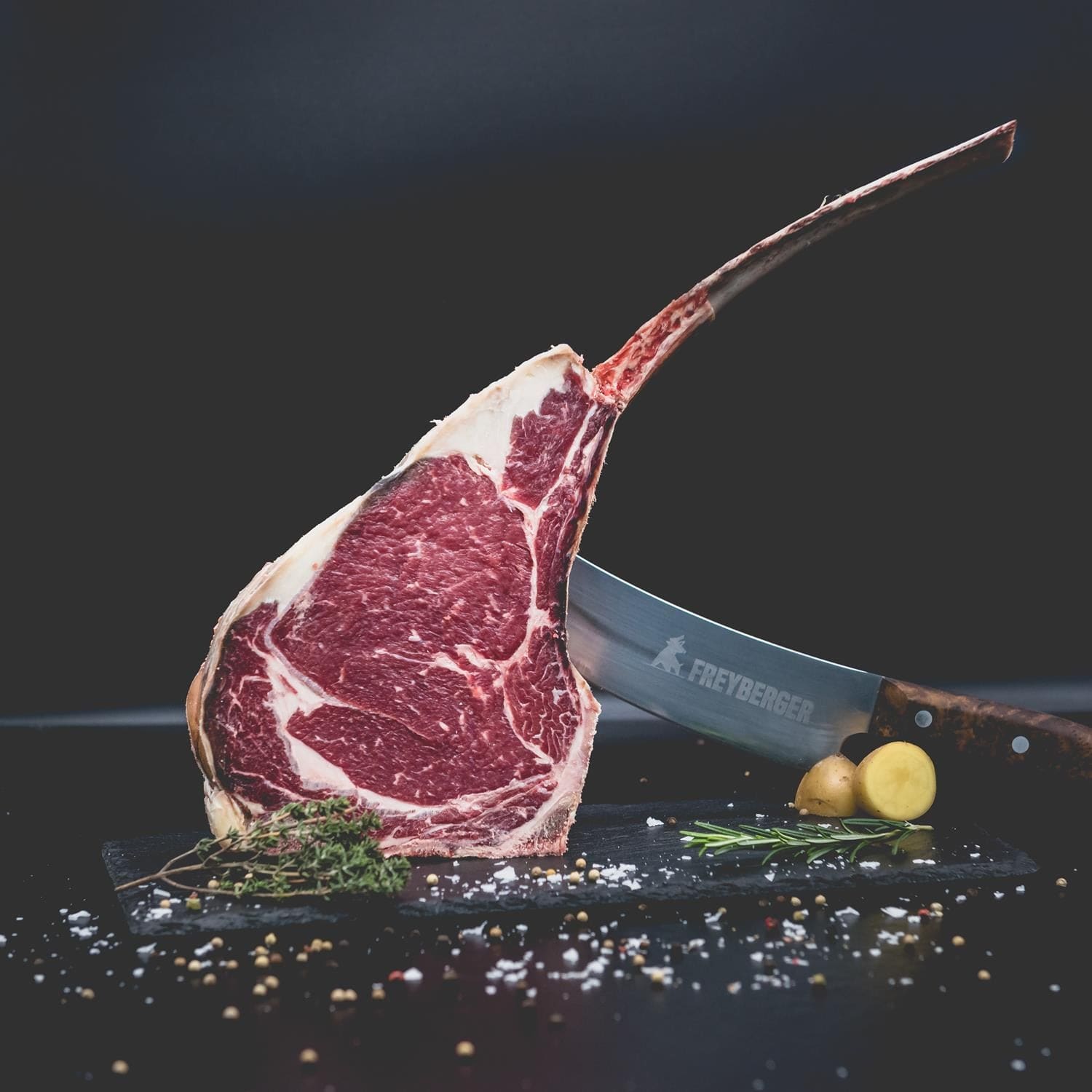
Before we start preparing the steaks, let's first clarify where these cuts actually come from and why these two steaks are so special. Both roast beef and ribeye come from the beef loin. The special feature: the cuts are located consecutively, directly next to each other.
Let's take a look at the beef loin. Here we find that the roast beef is at the beginning of the loin. If we go a little further, we find the ribeye. The last piece is the ribeye. Note: The ribeye is often sold as ribeye because these two cuts merge into one another.

The special feature here is that a muscle strand runs through the back, which thickens towards the center but flattens out again at the ribeye. In addition, there are various other muscle groups along the back, which build up towards the ribeye. This is how our premium cuts are defined, based on this texture and the associated fat content. You can find more information here.
Properly Trimming Ribeye and Roast Beef
Important: To properly trim meat, you should always use a suitable knife. This minimizes the risk of injury and simultaneously ensures less waste during cutting.
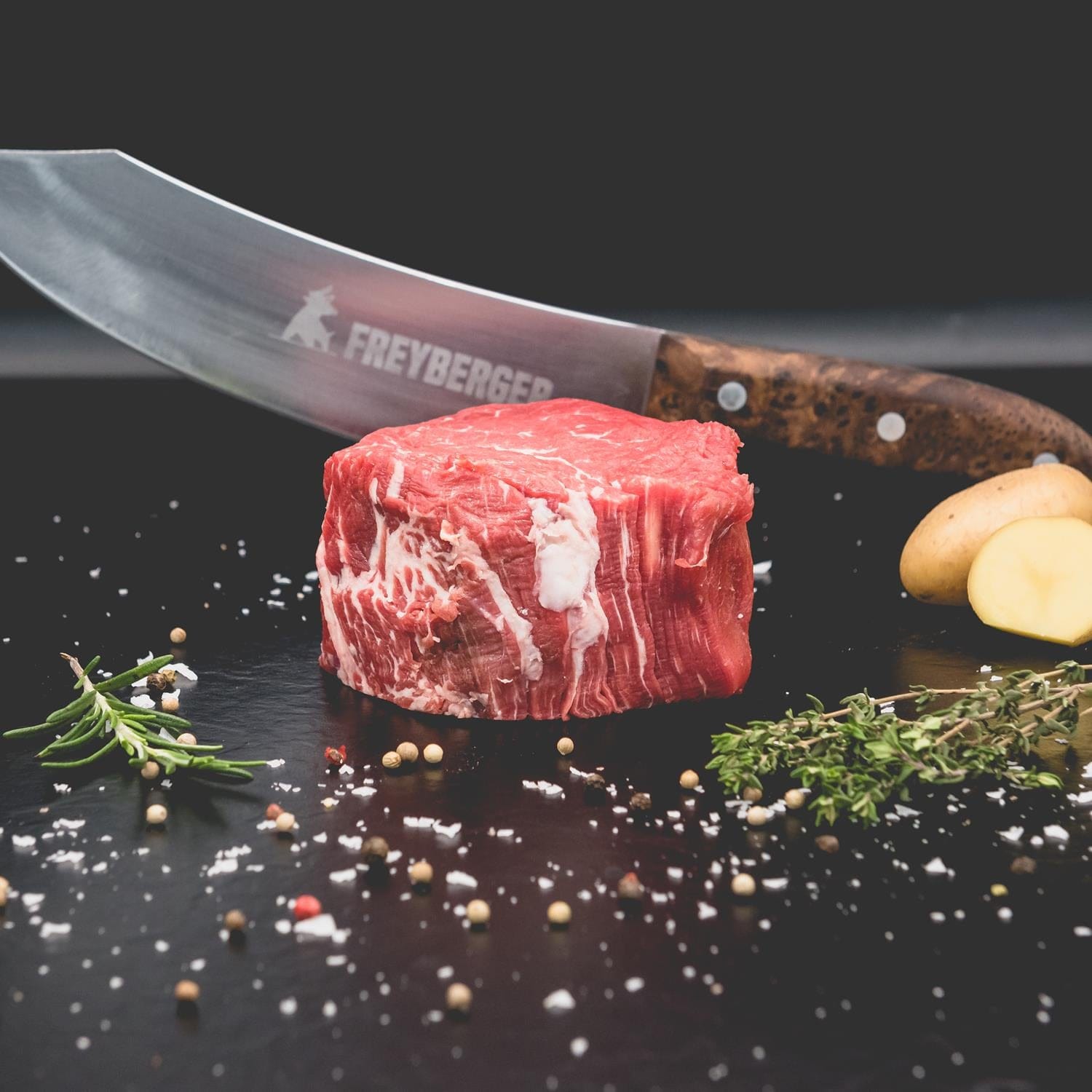
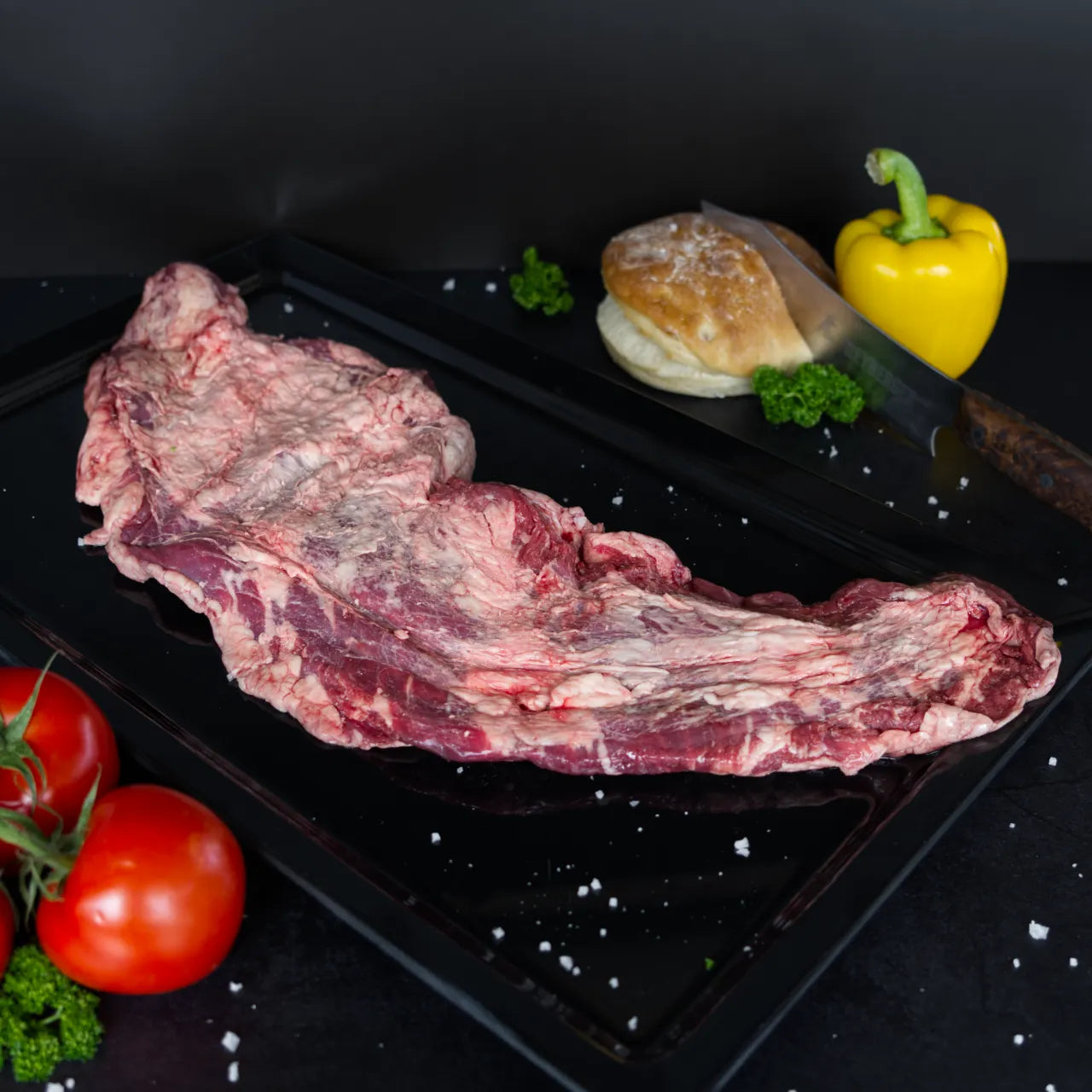
We first separate our steak cuts, remove any remaining silverskin, and shape the meat. This results in meat and fat trimmings. However, we definitely do not throw these away. You can make tasty burger patties or even ground meat from them. For the roast beef, we leave a small fat cap on the meat. This is a quality feature of this special cut.
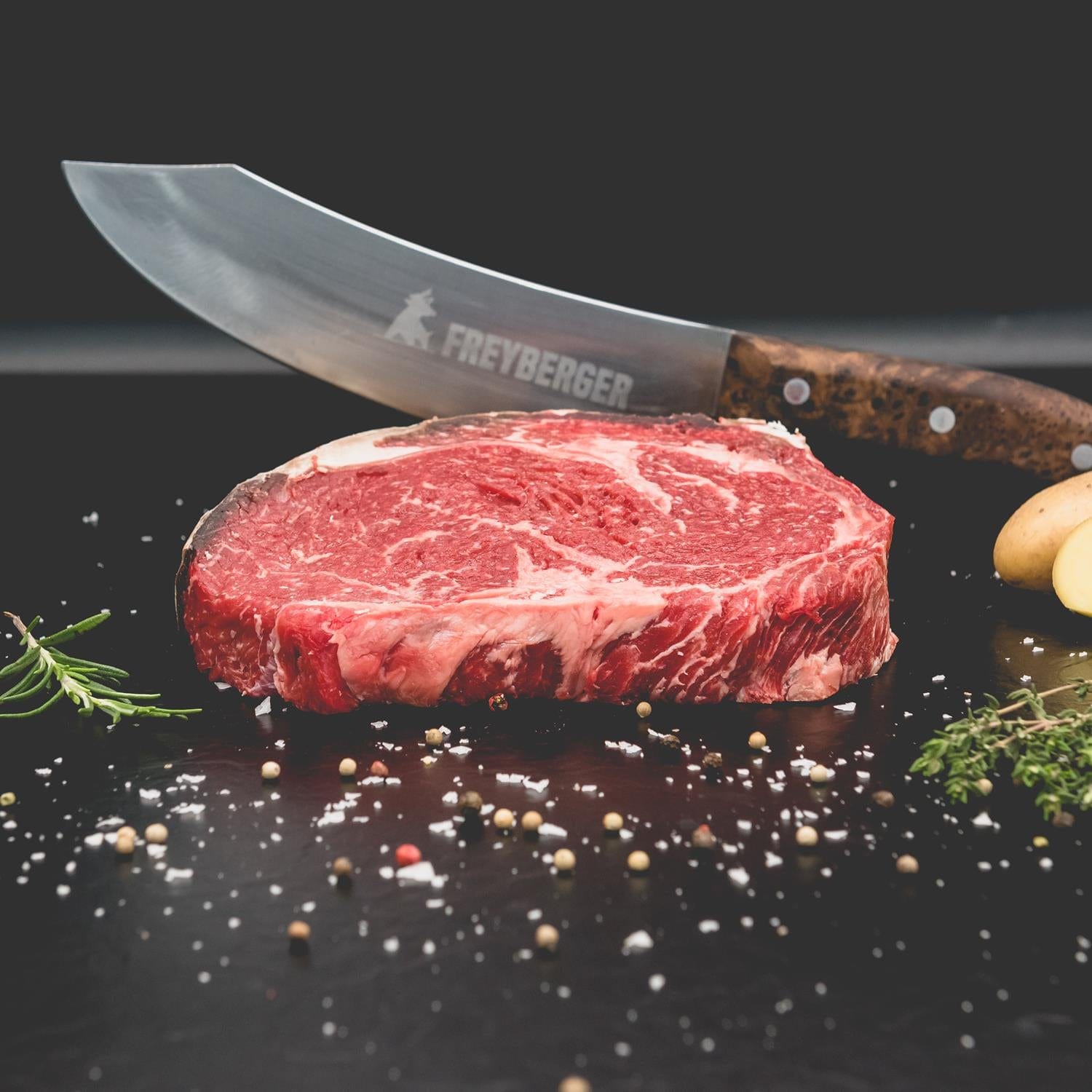
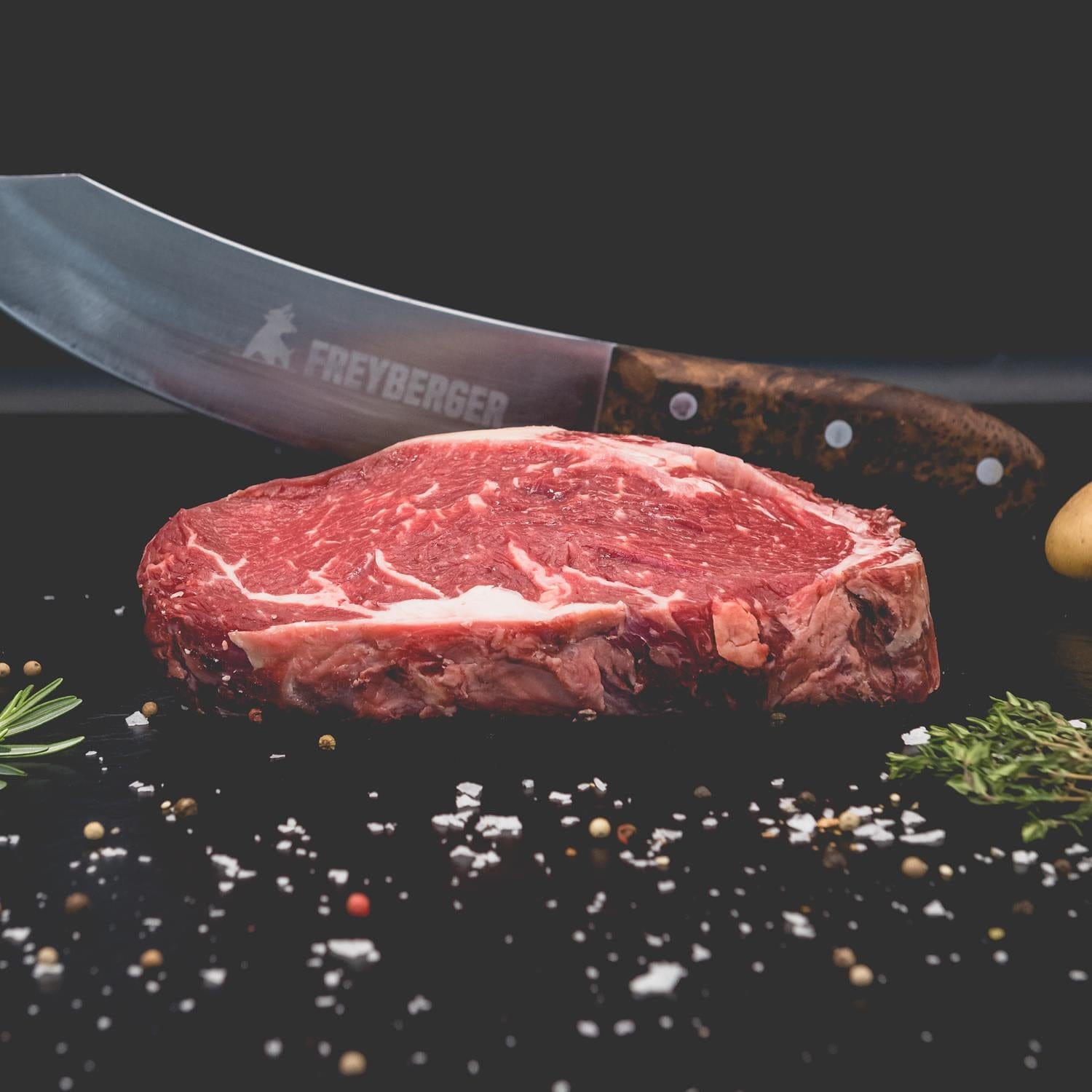
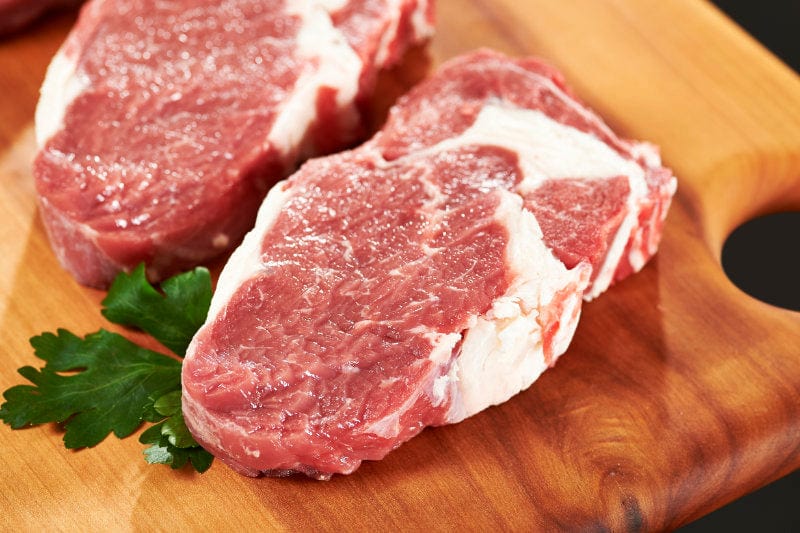
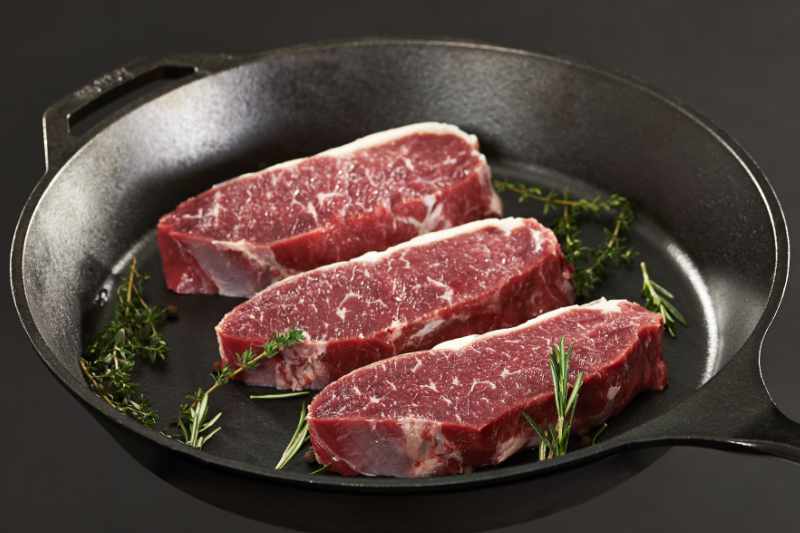
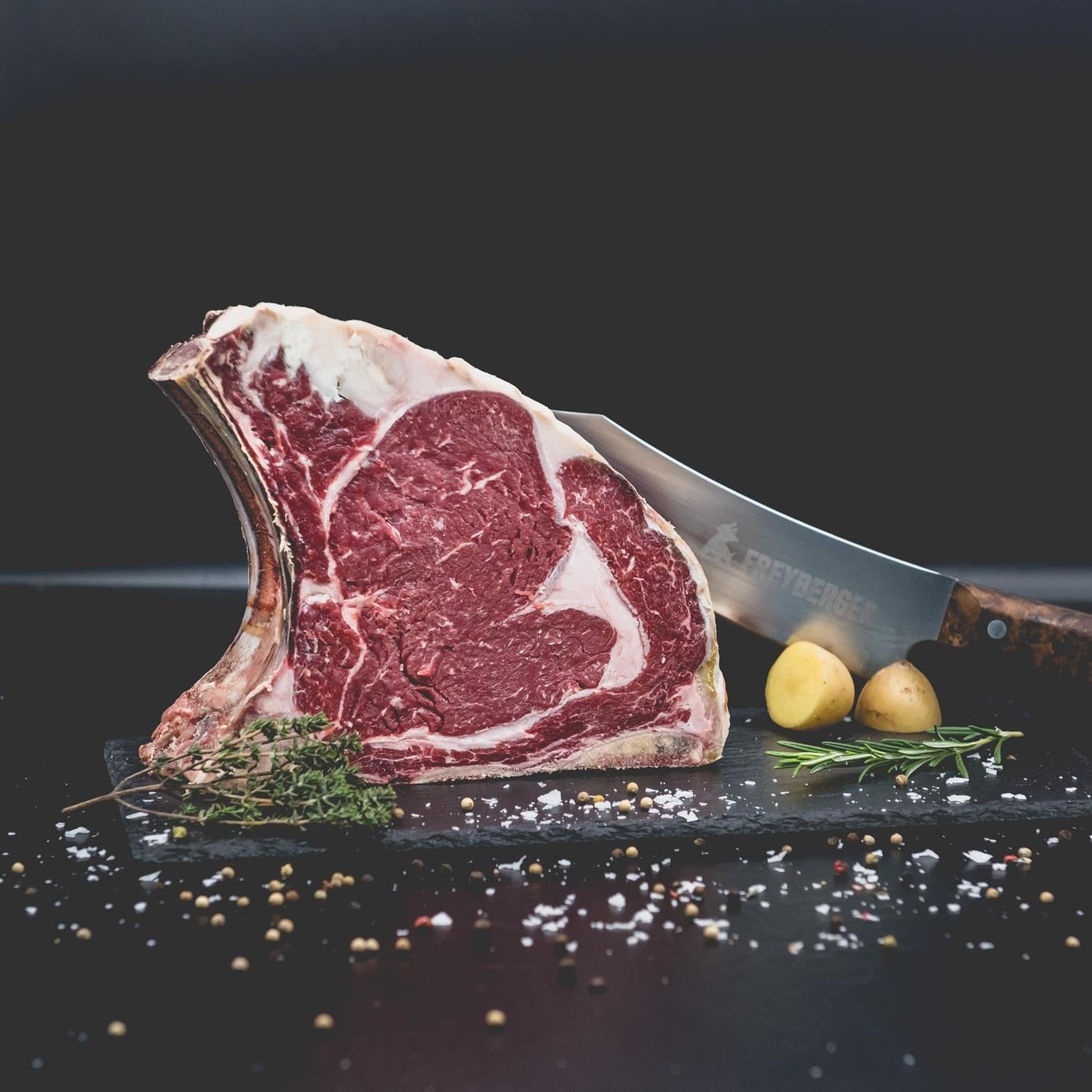
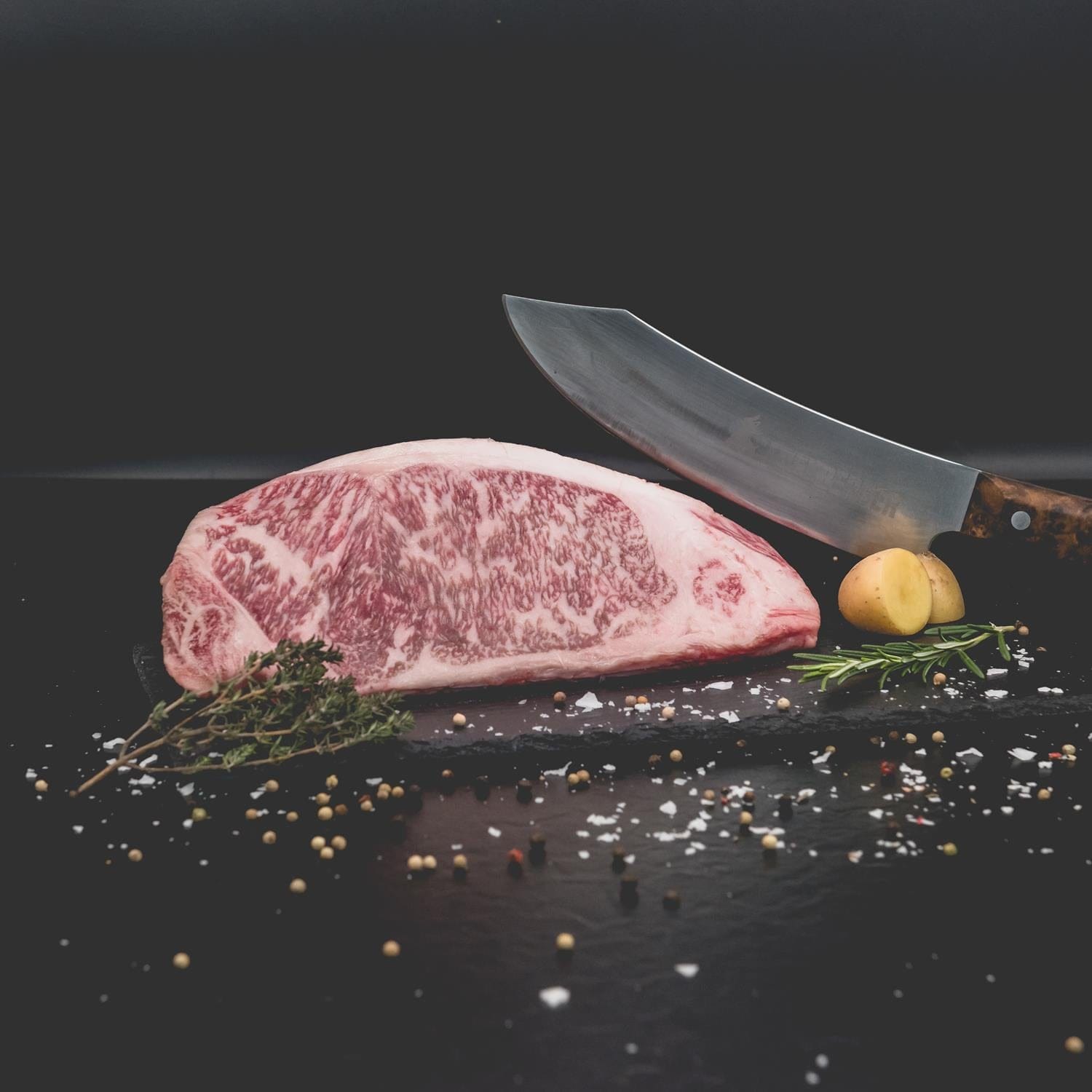
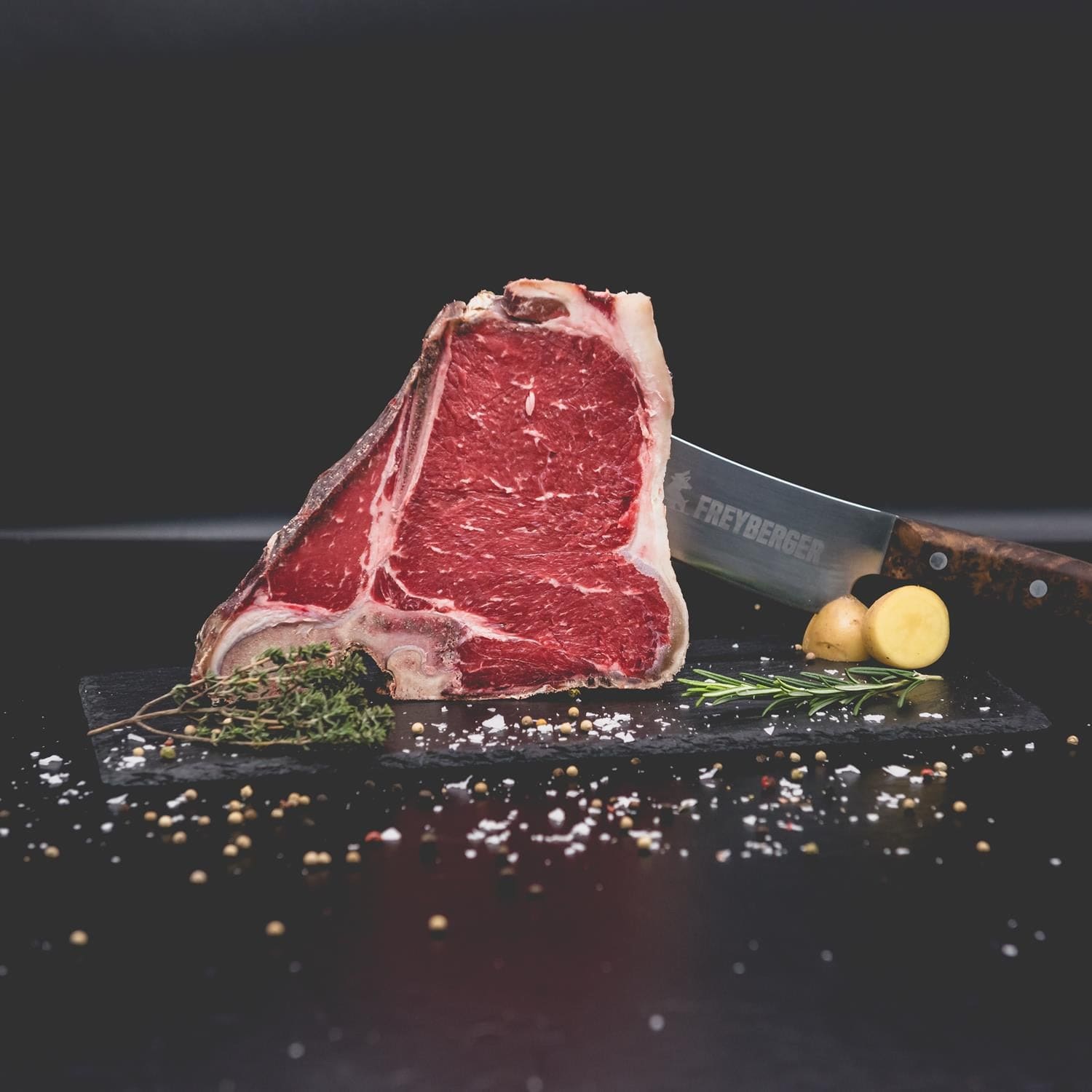
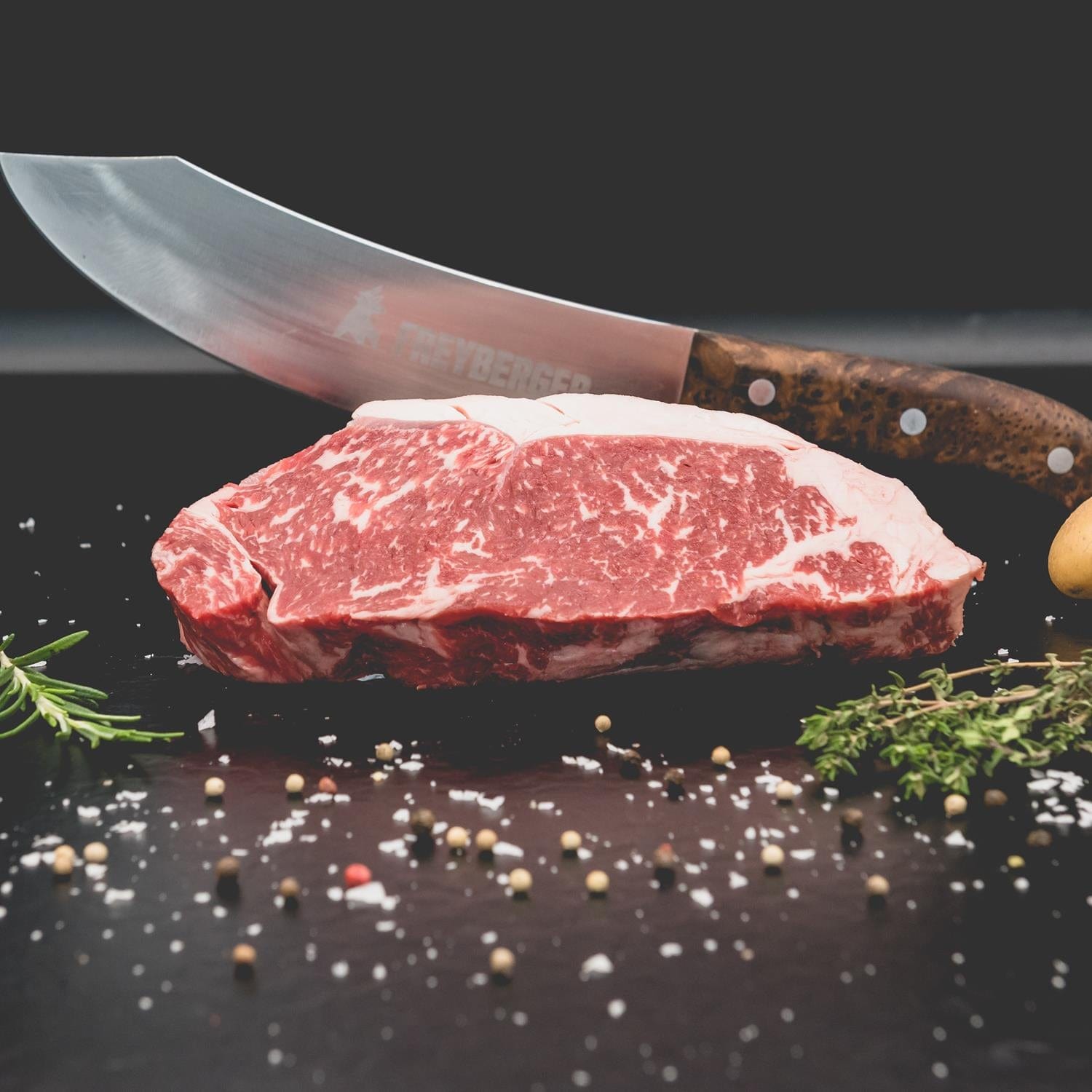
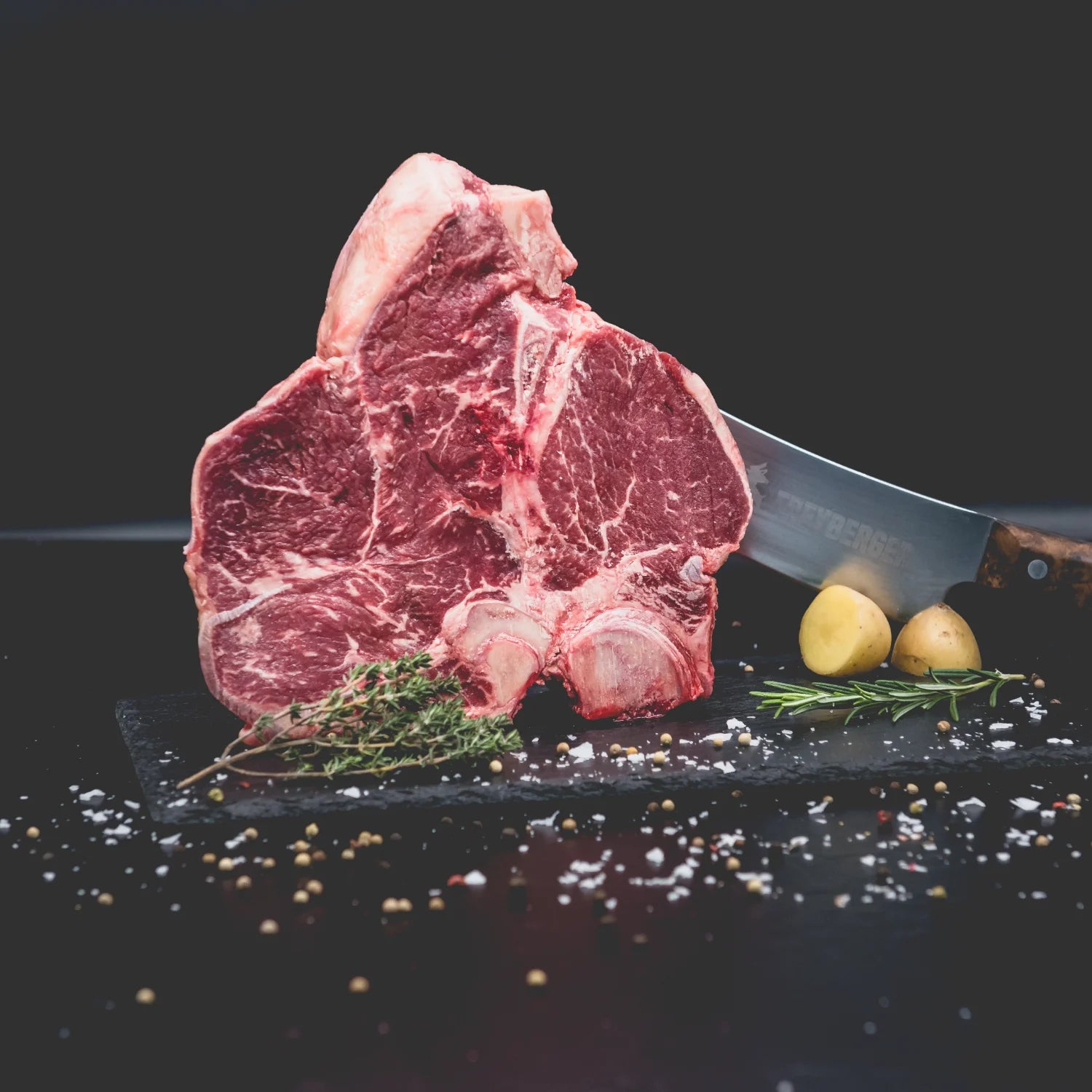
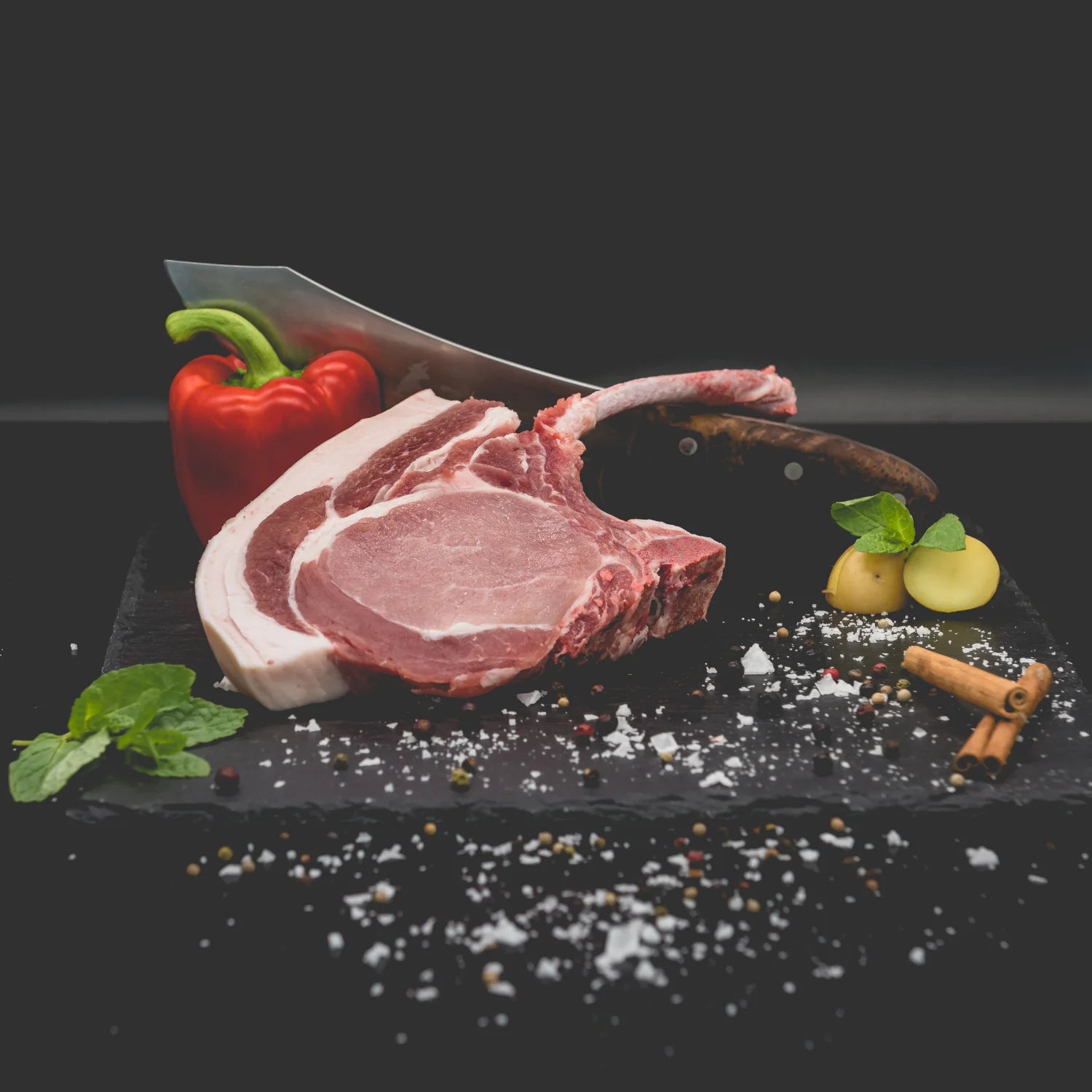
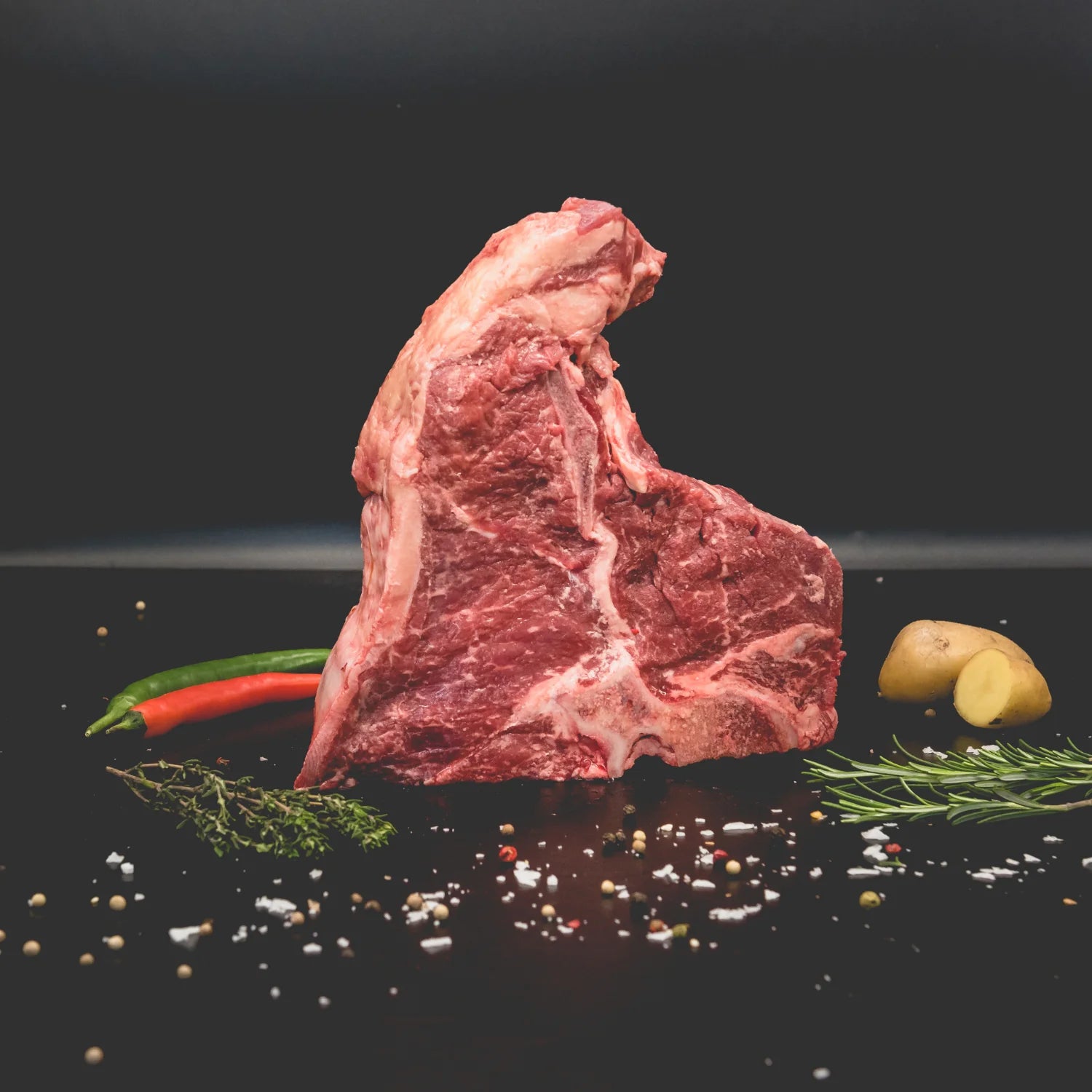
The ribeye is a well-marbled cut and therefore has both a high fat content and strong marbling. The steak is a highly valued cut because it not only has an intense aroma but is also known for its tenderness and juiciness. An ideal steak for pan-frying or grilling.
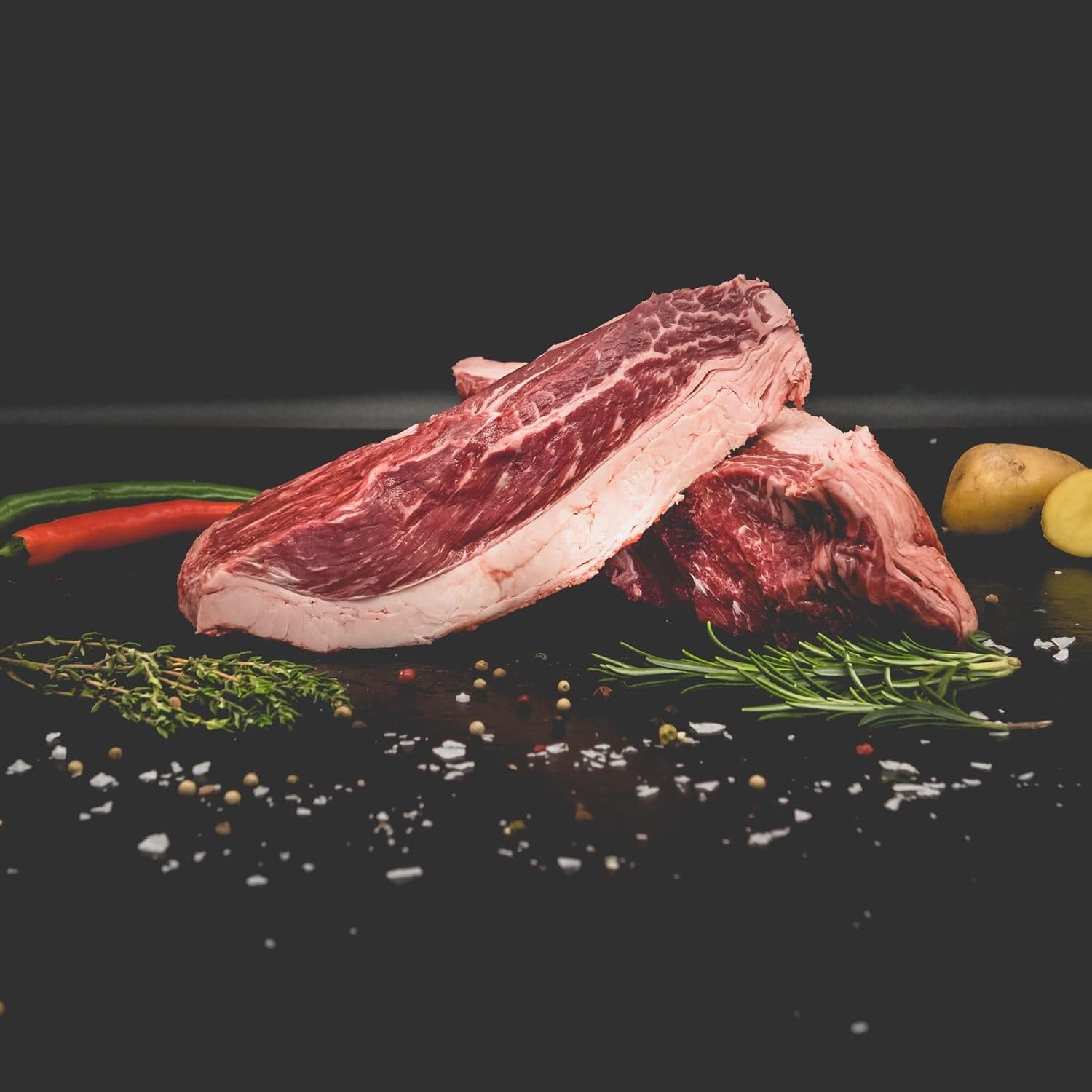
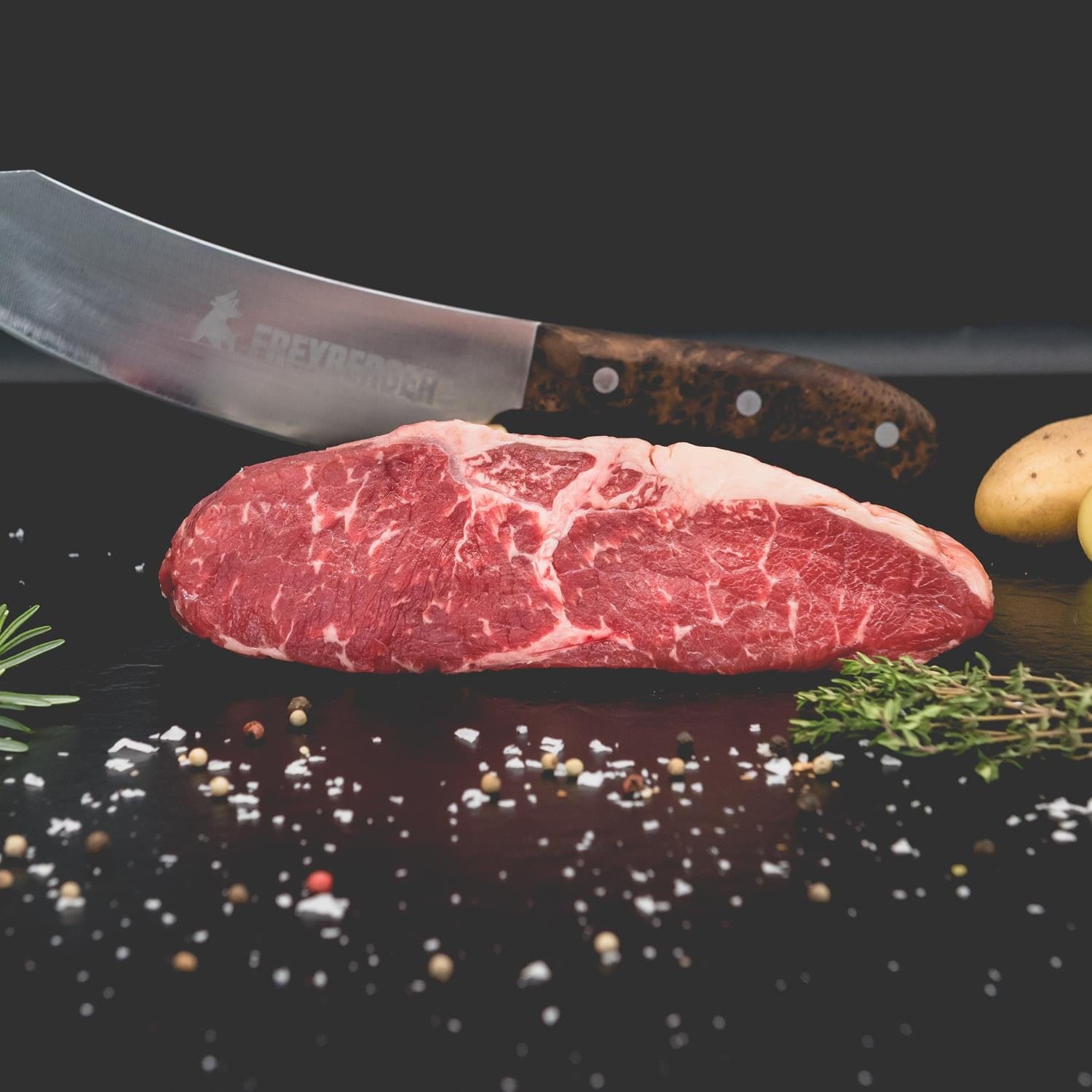
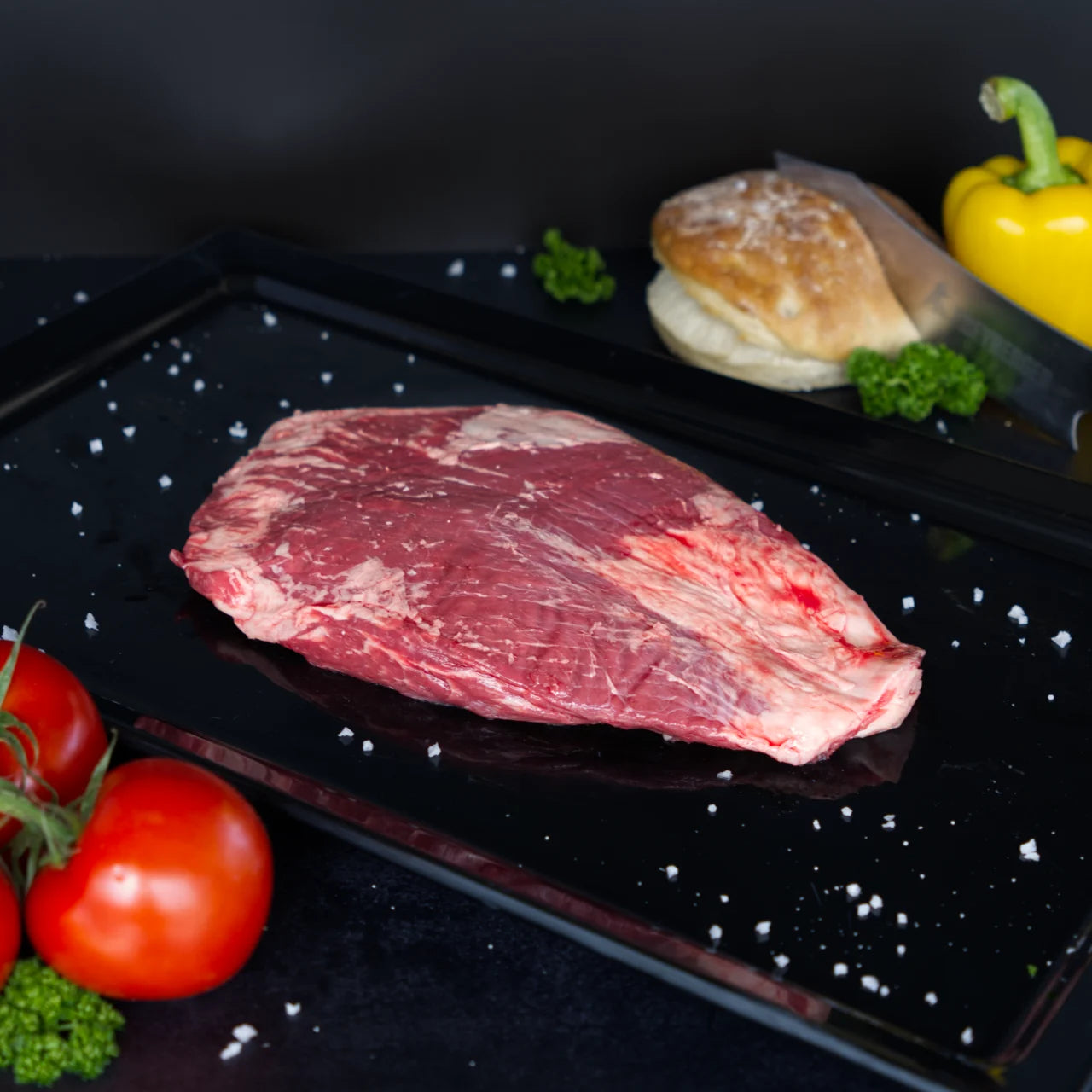
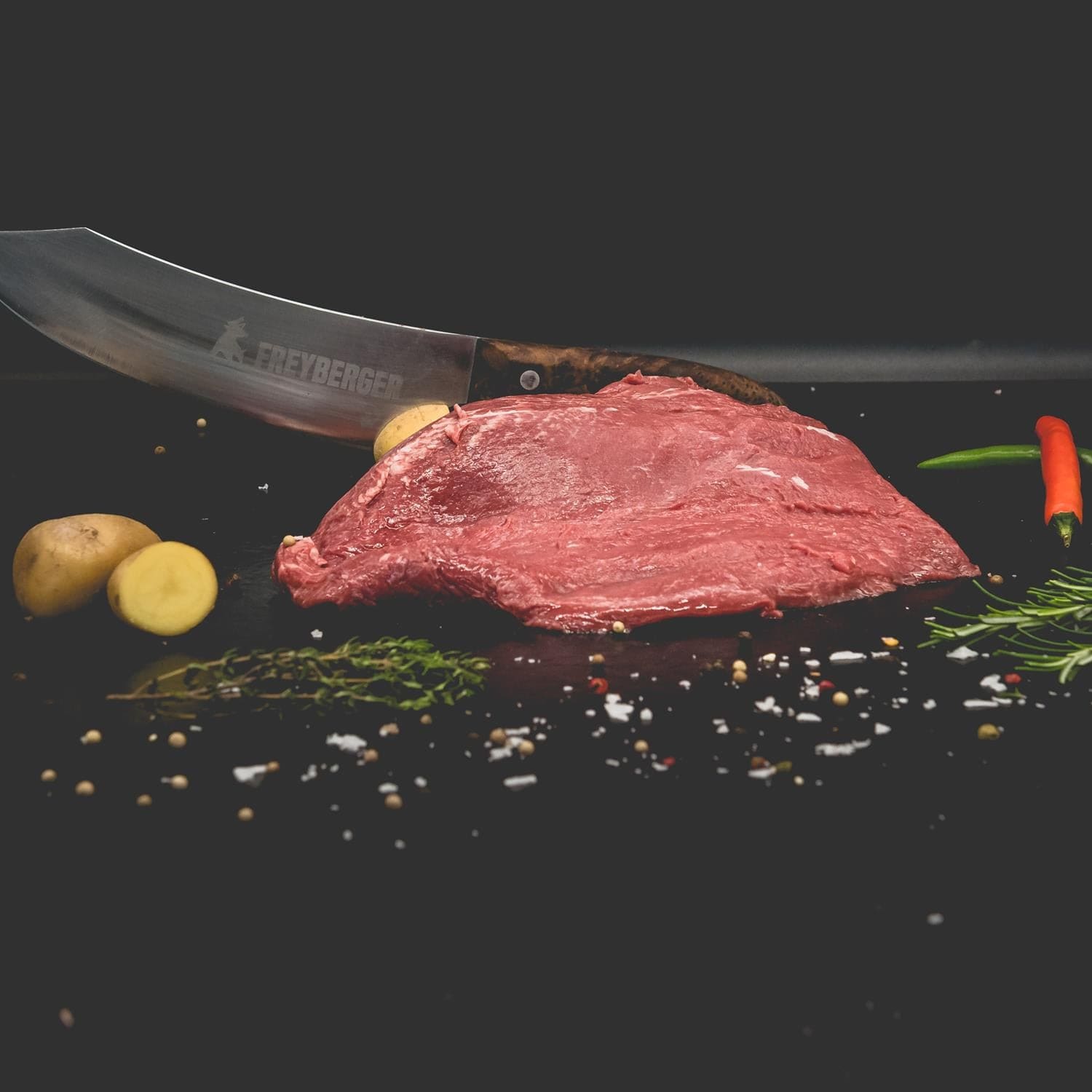
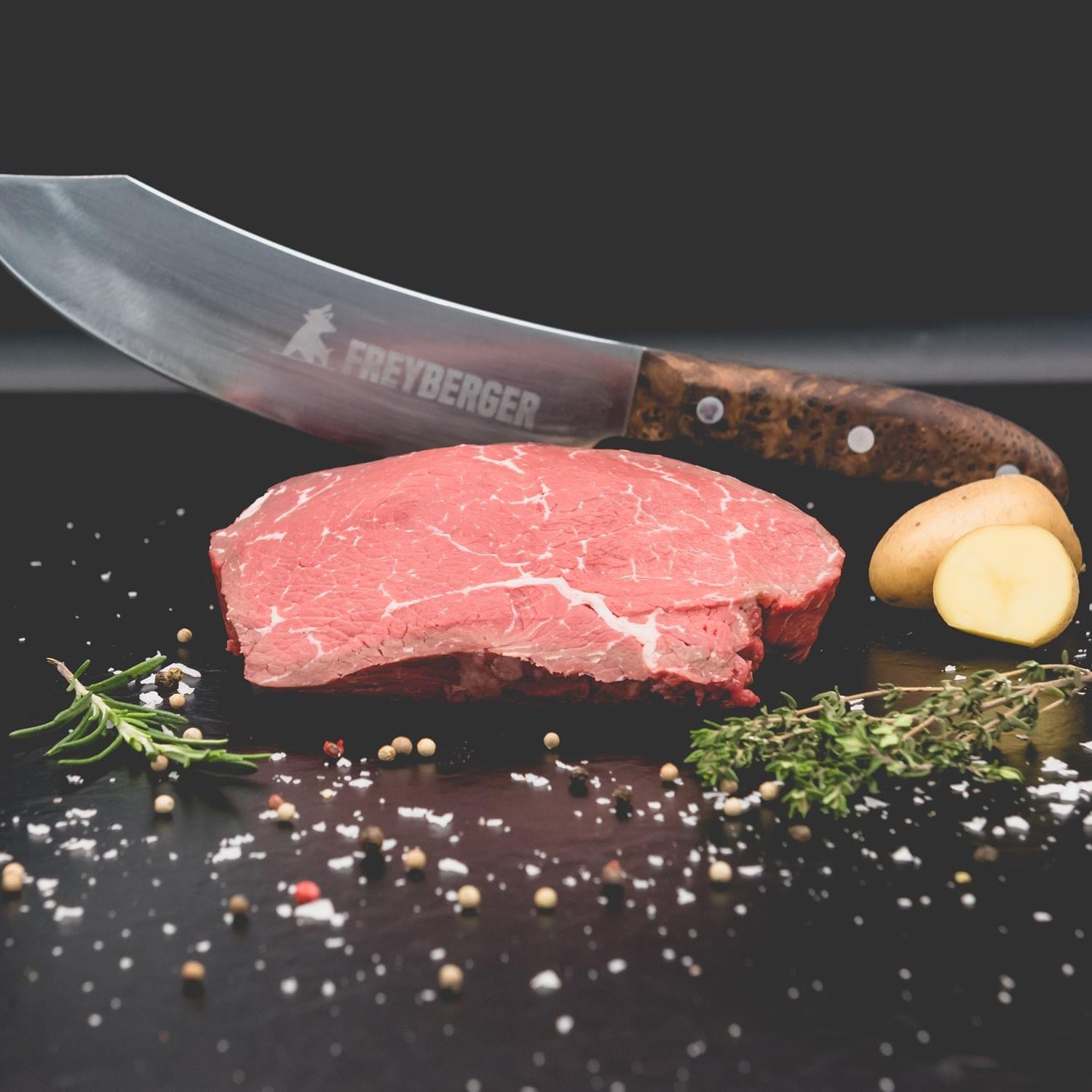
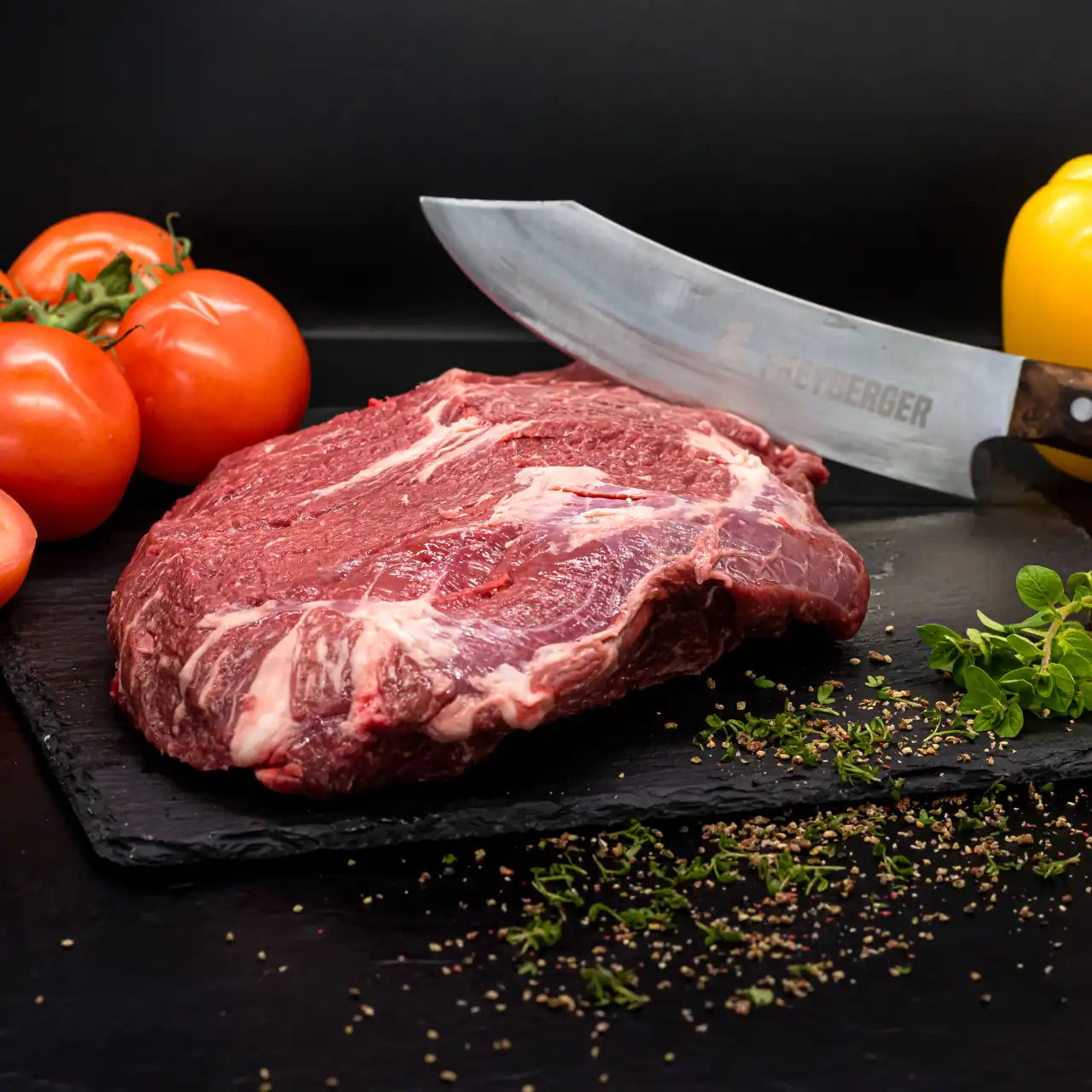
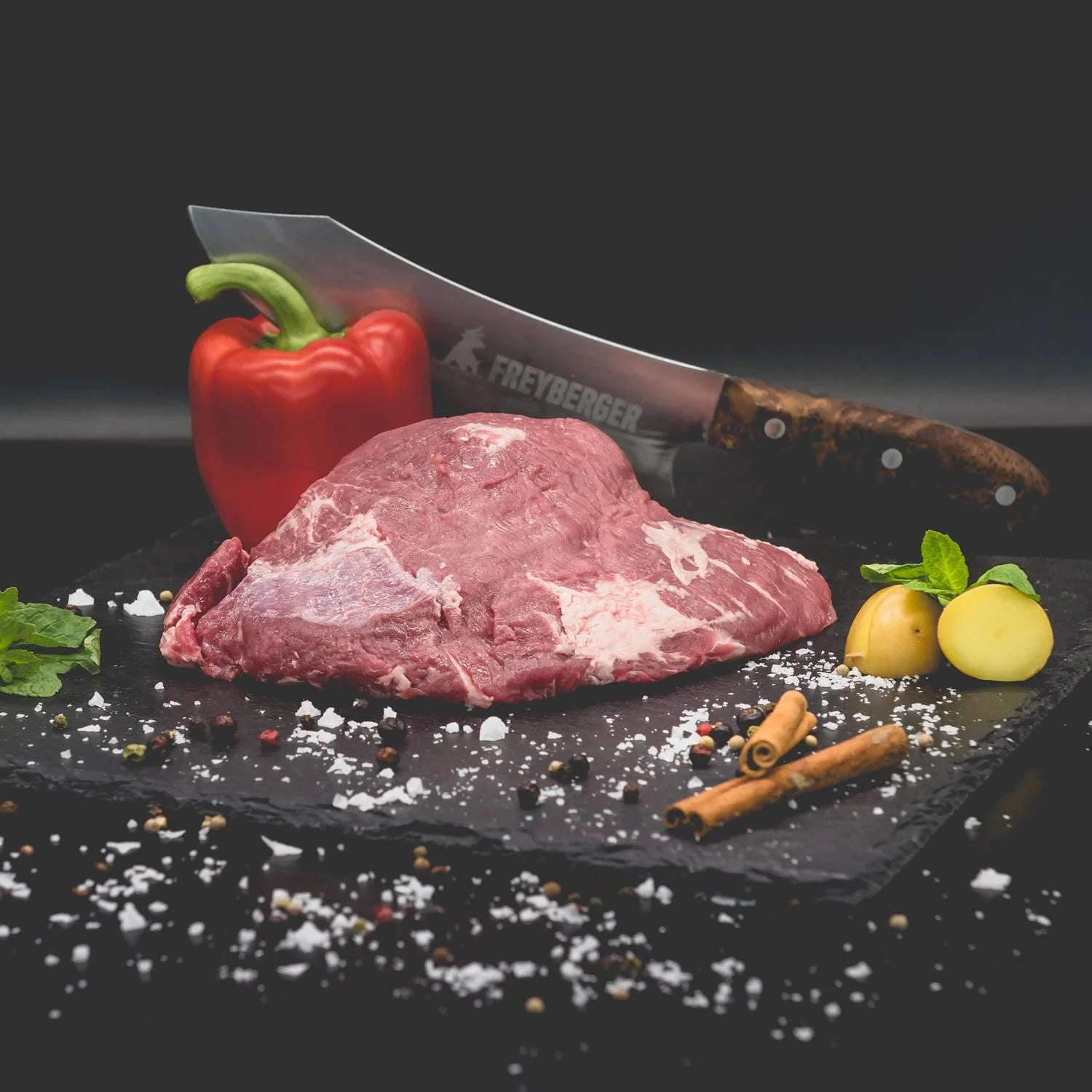
Next, we have our roast beef. In contrast to the ribeye, the roast beef is significantly leaner. It is free of tendons and has a fine meat structure. Characteristic of the roast beef is the thick rim of fat on the side. The steak is very tender and is also suitable for pan-frying and grilling.
Now we cut our steaks from the sub-primal cuts. We make sure that the thickness of both steaks can always be measured with two fingers. This is the optimal thickness, which will be reflected in the later preparation.

This makes it easier to cook the steaks and avoid errors in the doneness. Ideal are between 400 g and 600 g. That's enough for two people. Detailed cutting instructions are available here.
Important to know: For optimal meat quality, we rely on good animal husbandry and work personally with our farmers. We also visit them and see for ourselves on site. We have also made videos on our YouTube channel about this.
But craftsmanship is also crucial. For the steaks to offer an unforgettable taste experience, they must not only be expertly deboned and skillfully cut, but the meat also needs a maturing period. And here there are two categories: wet-aged and dry-aged.
Wet-Aging and Dry-Aging
Wet-aging is the so-called wet maturation. Here, the meat matures in its own juices in a vacuum bag. With us, the meat hangs whole for 7 days before we bone and cut it. After that, we age the meat in a vacuum bag for at least 21 days. Here is a video about it.
Dry-aging, on the other hand, is dry maturation. Here, the meat ripens in a special maturation chamber for at least 21 days. Important: Even with this method, the meat ripens whole for 7 days after slaughter.
During dry-aging, the flavor of the meat intensifies. This is due to the loss of liquid and the associated dehydration. Important: The longer the meat ages, the more intense the flavor.

Preparing Ribeye and Roast Beef
Now, let's fire up our grills. For optimal preparation, we want to use both a gas grill and a charcoal grill. For both, we need both a direct and an indirect zone for grilling.
With a gas grill, this is no problem. With charcoal, however, it can be a bit tricky, which is why we are using a Monolith grill here. This has the necessary inserts, which makes it very easy for us to have both zones. But the steaks also need a little preparation.
First, the meat should be at room temperature before we can grill it. This makes it much easier to achieve the desired doneness. Usually, you would have to remove any remaining bone or tendon from the steaks. However, if you get your steaks from us, you don't have to worry about that.
But do we have to wash the steak beforehand? No. Steaks from a reputable artisan butcher do not need to be washed. They are already clean. We can also confidently skip a marinade. While marinades make the meat more tender, it is not necessary with proper preparation.
But should you season the steak beforehand? And what spices do you even use? Opinions differ on this. We skip seasoning before grilling and save it for the finish. Because spices can burn during cooking and thus spoil the meat. Only salt can be used before grilling.
The only thing that's really important now is patting the meat dry. The steak must be dry before we grill it. Moisture blocks roasted aromas. Marinades must also be removed from the meat before we put it on the grill, because there is a risk of burning.
Preparing Ribeye and Roast Beef

We place both the dry-aged and wet-aged ribeye on our Monolith grill. On the gas grill, however, we put our two roast beef steaks. Here too, we have dry- and wet-aged in the program.
The right grill
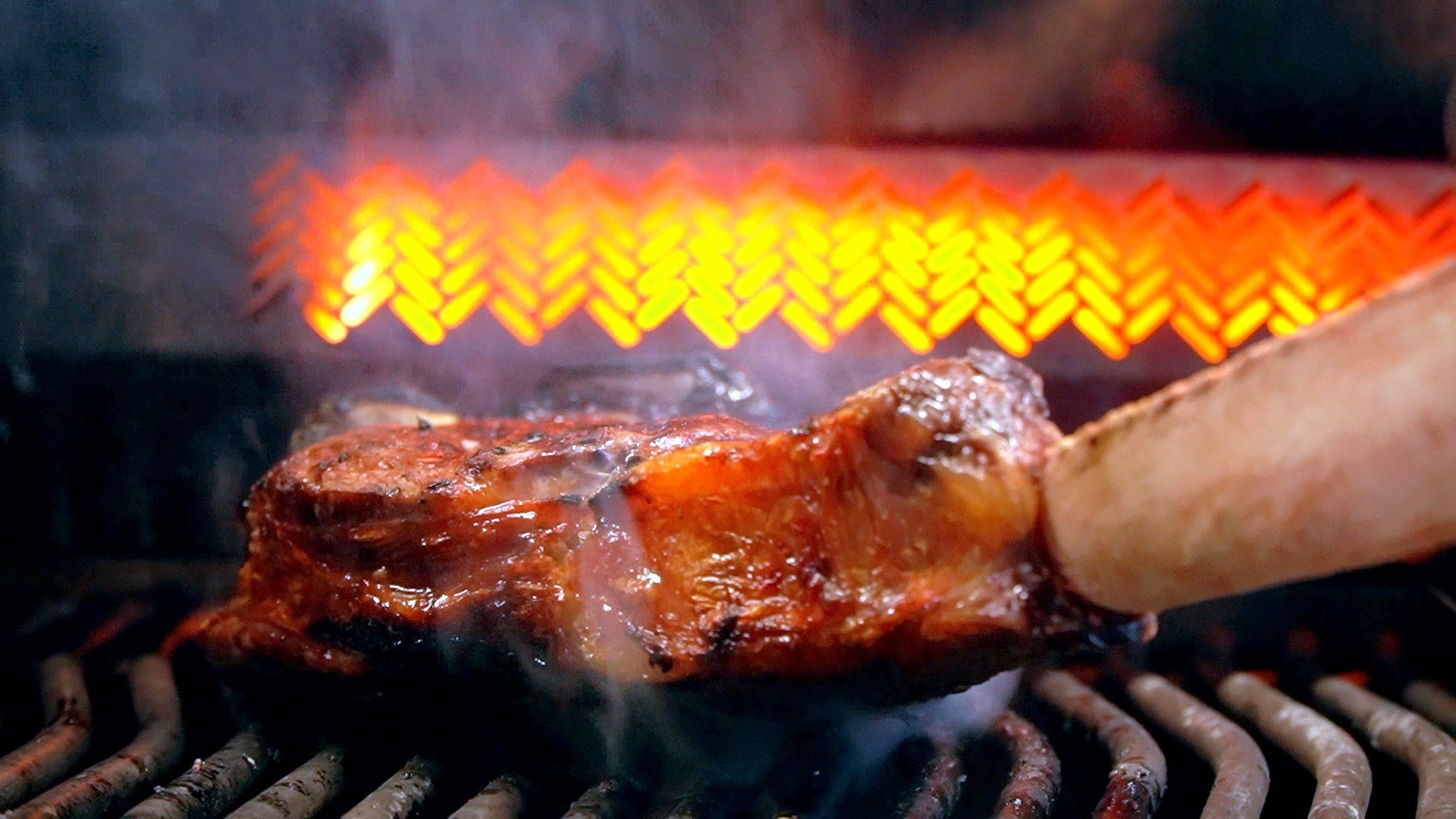
Our steaks need about 15 to 20 minutes on the grill. We first expose them to high heat and grill the meat on all sides for 2 to 5 minutes before using the indirect area for further cooking.
The other way around is also possible, meaning first slowly bring it up to temperature and then sear it. This, of course, applies to both the ribeye and the roast beef. We prepare the roast beef on the gas grill. We have the matching tutorial as a video ready.
By the way, we use two different grills to examine precisely whether there is a significant difference in steak preparation. However, we already notice during grilling that the grilling process does not differ significantly. The most striking contrast lies in the total duration.
It takes a little longer to light a charcoal grill than a gas grill. However, there is no difference in direct preparation. Only the temperature control of the grill is significantly easier with a gas grill.
The core temperature
Nevertheless, mistakes can happen quickly. Especially since the preparation of wet-aged and dry-aged steaks differs slightly.
The most common mishaps occur with dry-aged steak. The core temperatures of wet-aged steaks are not directly applicable to dry-aged steaks. At the same core temperature, the doneness already changes. The reason for this is the dehydration of the steak during the aging process. That's why we remove our steak about 3 to 5 degrees before the desired core temperature.
For the ribeye, we make sure to bring it to a core temperature of 54 to 56 °C. The doneness levels Medium-Rare to Medium-Well are best suited for the ribeye. If you want to learn more about doneness levels, watch this video.
But the branding shouldn't be missing either. Branding not only has a great visual effect but also serves to bring roasted aromas to the outer side of the steak. This then directly affects the taste and gives the steak that certain kick.

We proceed in the same way with the roast beef. The roast beef needs a core temperature of 54 to 58 °C. The doneness levels Medium-Rare to Medium-Well are best suited for the roast beef. Important here: The temperature display on a gas grill usually indicates how hot it is at the lid of the grill. This does not necessarily mean that the display applies to the actual heat.
As soon as the steaks have reached the desired doneness, we remove them from the grill. If you don't have a core temperature thermometer, you can recognize a finished steak by the meat juices emerging. You can see this very clearly when the steak starts to shine and this shimmer spreads over the entire meat. You can see this clearly in this video.
Serving Ribeye and Roast Beef
From now on, it's important to let the steaks rest for a few minutes. So, just put them down and wait. This stabilizes the meat juices, making the meat even more tender.
After that, it's time to slice. There are two essential points to consider.
- Always use a sharp knife. Dull knives damage the meat structure too much and harm the consistency.
- Always cut against the grain of the steak. This severs the muscle fibers, and the steak automatically becomes more tender.
So, we now slice our steaks and fan out the pieces. Now it's time for spices. We'll use salt flakes. Nothing more is needed to enhance the taste of the steak.
We also always recommend seasoning steaks after cooking. For example, if you season your meat with pepper beforehand, you run the risk of the pepper burning. To avoid this risk, it is advisable to use the spices at the end. The matching video guide is available here.

Our Conclusion
Both the ribeye and the roast beef come from the beef loin. The muscle strand defines the steaks, and they lie next to each other. For preparation, it is important to ensure that no bone or tendon remnants remain on the steak. However, this is guaranteed when the steak is purchased from us.
The thickness of the steaks determines the ease during the cooking process and also the quantity for the number of people. It should be noted that the meat should come from good husbandry and from an artisan butcher to achieve high quality.
Washing a steak is usually not necessary, especially if you avoid supermarket products. You can also confidently skip marinades. However, it is important to temper the steak beforehand and pat it dry.
When grilling, it is essential to set up both a direct and an indirect grilling area. The meat can be prepared forwards and backwards, meaning either grilling on the direct surface first and then continuing to cook indirectly, or vice versa. A gas and a charcoal grill are suitable for this.
It is important to pay attention to the desired core temperature and at the same time keep an eye on the temperature of the cooking chamber to achieve the corresponding doneness. A differentiation between wet-aged and dry-aged is crucial here.
For post-preparation, the resting period after cooking is essential. But also the right knife and the cutting direction when slicing the steak. We always recommend using spices when serving.
The muscle and fat content of both steaks determines the taste. The ribeye has a higher fat content than the roast beef, however, it turns out that the roast beef is in no way inferior to the ribeye, and there are significant differences in flavor between dry-aged and wet-aged. If you prefer a more intense taste, you should choose dry-aged. However, both steak varieties and aging methods are highly recommended.
If you consider all these things, grilling ribeye and roast beef will be successful, and you'll have a delicious, high-quality steak. Here is the guide as a video to follow along with.